
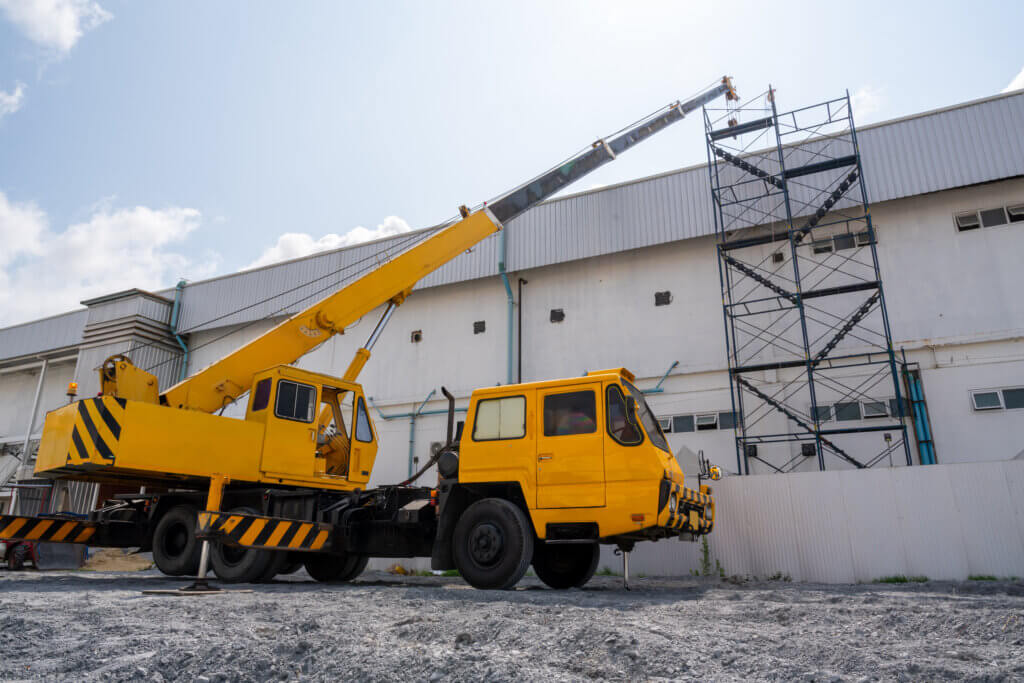
Keeping heavy-duty equipment running smoothly is no small task. When your transmission shows signs of trouble, deciding between repair, replacement, or a remanufactured option can feel overwhelming. For many in industries remanufactured heavy-duty transmissions offer the perfect balance of reliability, cost-efficiency, and fast turnaround. But how do you know when they’re the right choice? Let’s break it down.
What Are Remanufactured Heavy-Duty Transmissions?
At their core, remanufactured transmissions are fully restored units built to meet—or even exceed—OEM standards. The process involves disassembling the transmission, thoroughly cleaning it, replacing all worn or damaged parts, and reassembling it with precision. The end result? A “like-new” transmission that performs as reliably as the original.
These aren’t just for long-haul trucks or big rigs. Remanufactured transmissions are widely used across industries that demand heavy-duty reliability. Common applications include:
- Construction equipment: Loaders, bulldozers, cranes, and excavators.
- Agricultural machinery: Tractors, combines, and harvesters.
- Mining equipment: Haul trucks, drills, and earthmovers.
- Municipal vehicles: Garbage trucks, snowplows, and dump trucks.
In short, if your equipment puts in long hours and takes on tough jobs, a remanufactured transmission might be the perfect fit.
The Remanufacturing Process: What Sets It Apart?
The remanufacturing process goes far beyond a standard repair or rebuild. It’s a complete overhaul designed to restore the transmission to peak performance. Here’s how it works:
- Inspection: The entire unit is disassembled and thoroughly inspected to identify worn or damaged components.
- Replacement: Key components, like bearings, gaskets, and seals, are replaced with new or OEM-equivalent parts. Critical upgrades may also be added to address known weaknesses in the original design.
- Cleaning and reassembly: Every part is meticulously cleaned, and the transmission is carefully reassembled to precise specifications.
- Testing: The final unit undergoes rigorous testing, including pressure checks and dynamometer testing, to ensure it meets OEM standards for performance and reliability.
The key difference? While a rebuilt transmission involves fixing only the failed parts, a remanufactured transmission is completely restored with all wear-prone components replaced. This means you’re getting a product that’s as close to new as possible—without the hefty price tag.
Advantages of Remanufactured Heavy-Duty Transmissions
When it comes to keeping heavy-duty equipment operational, not every situation calls for a brand-new transmission. A remanufactured transmission can be the perfect balance between cost, performance, and reliability—offering you the benefits of a like-new unit without the price tag.
Whether you’re dealing with worn-out parts, mounting repair costs, or tight deadlines, remanufactured transmissions provide a solution that helps you save money, reduce downtime, and maintain high performance. Here’s why they’ve become a trusted option for industries that rely on hard-working equipment:
Reliability
Remanufactured transmissions undergo rigorous testing to ensure they perform as well as—or even better than—a new transmission. With all critical components replaced, they’re built to handle the heavy loads and tough conditions demanded by your equipment.
Cost-Efficiency
One of the biggest advantages is the cost savings. A remanufactured transmission can cost significantly less than a new unit, making it a practical option for older equipment or vehicles that don’t justify the expense of brand-new replacements.
Warranty Coverage
Most reputable providers offer warranties on remanufactured transmissions that rival those of new ones. This provides peace of mind, knowing your investment is protected if something goes wrong.
Sustainability
By reusing durable core components, remanufactured transmissions are an environmentally friendly choice. They reduce waste and conserve resources while still delivering high-quality performance.
Faster Turnaround
When time is critical, remanufactured transmissions are often readily available for installation, whereas repairs or sourcing a brand-new unit can take weeks. This minimizes downtime, which is crucial for industries that can’t afford equipment delays.
When to Consider a Remanufactured Transmission
How do you know if a remanufactured transmission is the right choice? Several scenarios make it the ideal option, especially when balancing cost, reliability, and urgency is key:
Budget Constraints
Heavy-duty equipment is a significant investment, and replacing a transmission with a brand-new unit can strain even the healthiest budgets. Remanufactured transmissions offer the same reliability at a fraction of the cost, making them a practical solution for older equipment or vehicles that still have years of life left.
High Mileage or Heavy Usage
For machines that have endured years of wear and tear or equipment operating under extreme conditions, remanufactured transmissions provide a fresh start. They replace all wear-prone components, helping extend the life of your vehicle or machinery without the expense of buying new.
Urgency
Downtime is costly in industries like construction, agriculture, and logistics, where delays can mean missed deadlines or lost revenue. With remanufactured units often in stock and ready to ship, they can get your equipment back to work faster than extensive repairs or waiting for a new transmission to be built.
That said, there are cases where other options may be better. For example, new transmissions might make sense for brand-new equipment under warranty, while minor repairs could be enough for less severe issues. A trusted provider like Precision Transmissions can help you determine the best course of action based on your situation.
What to Look for in a Reliable Remanufactured Transmission Provider
Choosing the right provider is just as important as choosing the transmission itself. Not all remanufactured transmissions are created equal, so working with a reputable and experienced provider ensures you get the performance and durability you need. Here’s what to consider:
- Certifications and Expertise
Look for a provider that specializes in heavy-duty transmissions and has experience working with equipment similar to yours. Providers with a proven track record in industries like construction, agriculture, and trucking are better equipped to meet your needs.
- Quality Assurance Protocols
Ask about the provider’s testing process. Reliable providers will perform rigorous testing, such as dynamometer testing, to ensure the transmission can handle real-world conditions. This attention to detail translates into performance you can depend on.
- Warranty and Support
A strong warranty signals confidence in the quality of the remanufactured transmission. Make sure the provider also offers responsive customer support to assist with installation, troubleshooting, or post-sale questions.
- Reputation
Check reviews, testimonials, or case studies from customers who’ve worked with the provider. Consistently positive feedback from clients in industries like yours is a strong indicator of reliability and professionalism.
A remanufactured heavy-duty transmission can be a cost-effective, reliable solution for equipment facing wear and tear or nearing the end of its original transmission’s lifespan. By balancing affordability with durability, remanufactured options allow you to extend the life of your machinery while minimizing downtime and expense.
When the time comes to decide between repair, replacement, or remanufacturing, working with a trusted provider ensures you get the quality and support you need. At Precision Transmission, we specialize in remanufactured heavy-duty transmissions that meet the demands of even the toughest applications. Reach out to our team today to explore your options and get your equipment back to work without delay.