
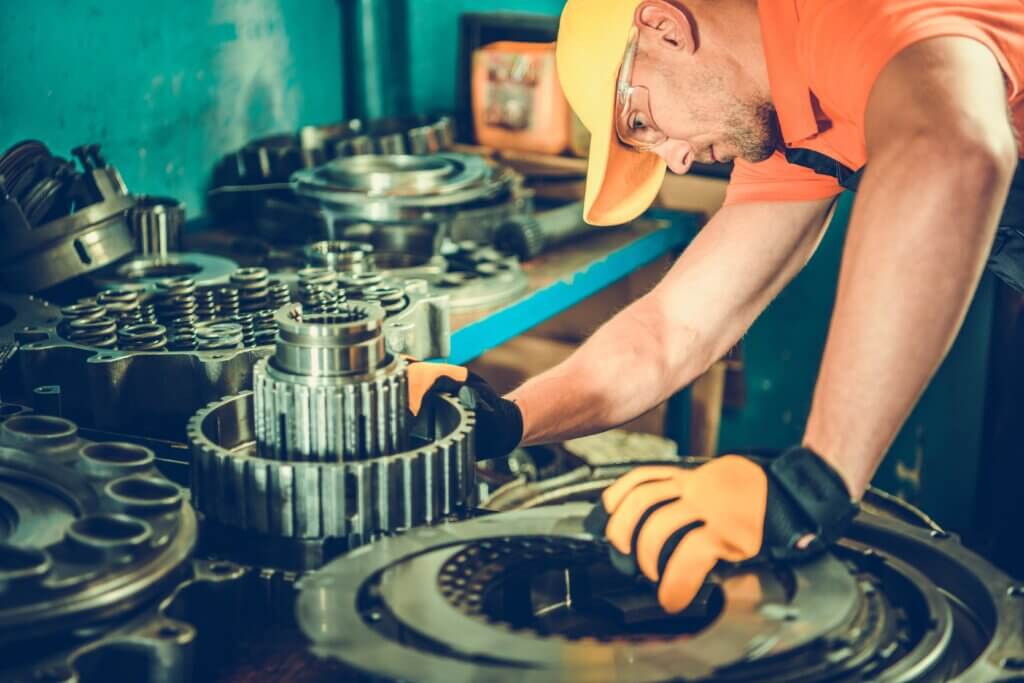
Remanufacturing vs. Rebuilding Heavy-Duty Transmissions
When your heavy-duty equipment transmission fails, you’re left with a big decision: should you opt for remanufacturing vs. rebuilding heavy-duty transmissions? Both processes aim to get your vehicle or equipment back on the road or job site, but they differ significantly in scope, quality, and long-term reliability. For fleet managers, equipment operators, and business owners, understanding these differences is essential to making the best decision for your operation—and your bottom line.
What is a Remanufactured Transmission?
Remanufacturing goes beyond a simple repair or rebuild—it’s a factory-grade restoration process that returns the transmission to like-new or better-than-new condition. During remanufacturing, the entire transmission is disassembled, inspected, and rebuilt according to OEM (original equipment manufacturer) specifications. Any worn or damaged components are replaced with new parts, while all remaining parts are cleaned, tested, and reassembled to meet exacting standards.
Here’s what sets remanufactured transmissions apart:
- OEM Standards: All components are tested and verified to meet or exceed the manufacturer’s original specifications.
- Complete Replacement of Wear Items: Components like bearings, seals, and gaskets are replaced with new parts, regardless of their condition.
- Rigorous Testing: After assembly, remanufactured transmissions undergo bench testing and dyno testing to ensure performance, reliability, and durability.
- Warranty: Remanufactured transmissions often come with extensive warranties, providing peace of mind for fleet managers and operators.
Remanufacturing is ideal for fleets, long-haul trucking, construction equipment, and other heavy-duty applications where uptime and reliability are critical.
What is a Rebuilt Transmission?
A rebuilt transmission, on the other hand, involves repairing and replacing only the damaged components while leaving the rest of the unit intact. This process typically takes place at a repair shop or in the field, and the technician focuses on restoring functionality rather than bringing the transmission back to factory specifications.
Key characteristics of a rebuilt transmission include:
- Selective Component Replacement: Only the broken or worn-out parts are replaced. The rest of the transmission is reused, even if some components show signs of wear.
- Less Rigorous Testing: While rebuilt transmissions are tested for basic functionality, they don’t go through the same intensive testing as remanufactured units.
- Quicker Turnaround: Rebuilding is often faster than remanufacturing because it focuses on fixing specific issues rather than performing a full overhaul.
- Inconsistent Quality: The quality of a rebuilt transmission depends heavily on the skill and thoroughness of the technician performing the work.
Rebuilding is generally seen as a short-term solution and may be more appropriate for older equipment or when budget constraints are a major concern.
Why Remanufacturing is the Superior Choice for Your Industry
If your equipment operates in critical environments, reliability isn’t optional—it’s essential. Remanufactured transmissions deliver the durability and performance that industries like cranes, material handling, and marine applications demand.
1. Maximum Reliability
Remanufactured transmissions are restored to like-new condition, making them far more reliable than rebuilt units. For applications like:
- Cranes, where lifting and maneuvering heavy loads safely depends on flawless performance.
- Marine vessels, which require consistent power for propulsion and navigation under harsh conditions.
- Ground support vehicles, where downtime directly impacts airport operations.
Remanufacturing ensures your equipment runs smoothly and reliably, reducing costly breakdowns.
2. Lower Long-Term Costs
While remanufactured transmissions cost more upfront, they save you money in the long run. With OEM-standard components and thorough testing, remanufactured units experience fewer failures and require less maintenance, making them the smart choice for industries that rely on uptime.
3. Enhanced Performance
Remanufacturing goes beyond fixing issues—it restores the transmission to perform at its peak. For example:
- Buses benefit from smoother shifts and increased fuel efficiency, improving passenger comfort and operating costs.
- Material handling equipment gains the power and precision needed to handle repetitive, demanding tasks in warehouses and distribution centers.
4. Strong Warranties
At Precision Transmission, our remanufactured transmissions come with comprehensive warranties. This gives you confidence that your investment is protected, which is especially important for high-value machinery in industries like marine operations or specialty equipment.
When Rebuilding Might Be the Right Choice
While remanufacturing is often the best option, there are scenarios where rebuilding makes sense:
- Older Equipment: For equipment nearing the end of its service life, a rebuild may extend its usability for a fraction of the cost of a remanufactured unit.
- Budget Constraints: In cases where upfront costs are a major concern, rebuilding can provide a temporary solution, though long-term reliability may be compromised.
- Quick Repairs: When immediate downtime is critical, a rebuild might be faster to execute than sourcing a remanufactured unit.
Making the Right Choice for Your Transmission Needs
When it comes to heavy-duty transmissions, the choice between remanufacturing vs. rebuilding heavy-duty transmissions isn’t just about cost—it’s about reliability, performance, and peace of mind. For industries where downtime isn’t an option, remanufactured transmissions offer a superior solution that pays off in the long run.
At Precision Transmission, we’re proud to provide top-quality remanufactured transmissions tailored to the specific needs of several industries. Contact us today to learn more about our services or to discuss your equipment’s needs!