
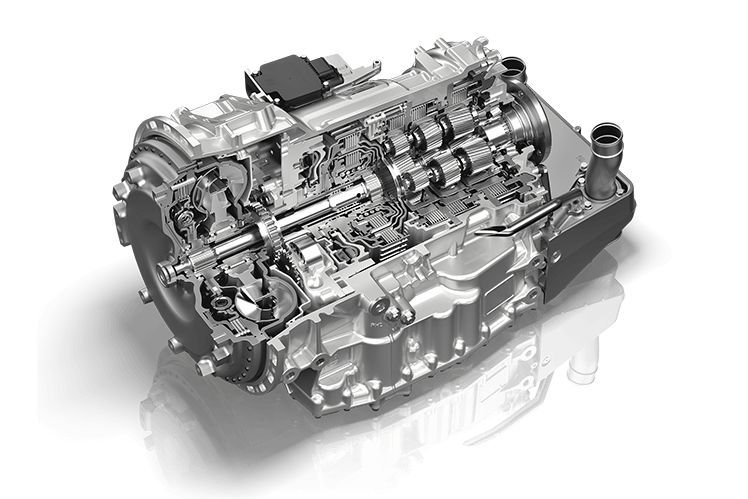
If you’ve ever ridden a city bus that didn’t jolt with every gear change, there’s a good chance you’ve experienced the smooth operation of a ZF Ecolife transmission. It’s the workhorse behind countless transit buses, coaches, and heavy-duty commercial vehicles across North America. But while this transmission is designed for long-haul durability and performance, ZF ecolife transmission maintenance is what keeps that performance alive. Skip it, and you’re rolling the dice with some very expensive equipment.
The Backbone of Commercial Transit
Let’s start with the basics. The ZF Ecolife is a 6-speed (or in newer versions, 7-speed) automatic transmission system designed specifically for heavy-duty use in urban traffic, hilly terrain, and stop-and-go environments. That means it’s not just a gear-shifter—it’s a fuel-saver, a stress-reducer, and in many cases, the reason your bus makes it to the depot on time.
Picture this: You’re running a fleet of 30 buses. Each one starts and stops more than 400 times a day. If the transmission isn’t built for that kind of punishment, breakdowns pile up fast. The ZF Ecolife is engineered for this exact scenario. It uses intelligent shifting logic to adapt to the vehicle’s environment, keeping wear and tear low while boosting fuel efficiency.
But even the smartest system can’t run forever without care. And that’s where ZF ecolife transmission maintenance comes in.
What Makes the ZF Ecolife Different?
There’s a reason so many fleet managers and transit authorities swear by the Ecolife. Here’s what sets it apart:
- Adaptive Shifting: It “learns” your vehicle’s driving patterns and optimizes gear changes to match. This reduces fuel consumption and mechanical strain.
- Integrated Retarder: This built-in braking system reduces reliance on the wheel brakes. That’s a big deal on steep city roads or in stop-heavy routes.
- Compact but Mighty: Despite its strength, the ZF Ecolife is compact. That means more flexibility in vehicle design and less weight.
- Longer Service Intervals: It’s designed to go longer between services—but that doesn’t mean skipping them entirely.
In short, it’s not just a transmission—it’s a technology platform designed to improve the performance and lifespan of commercial vehicles. But even with all that built-in intelligence, things like fluid degradation, thermal stress, and software updates eventually catch up. That’s why scheduled ZFecolife transmission maintenance isn’t optional—it’s essential.
Built to Last—If You Take Care of It
The ZF Ecolife is a long-haul system. It’s not unusual to see these transmissions last over 500,000 miles with proper care. But here’s the catch: “proper care” isn’t a guessing game. It involves regular ZF ecolife transmission maintenance, using OEM-grade fluids, checking the software version, and monitoring real-time performance data.
When you don’t do that? You risk shifting delays, overheating, fluid leaks, and eventually total system failure. And since this isn’t your average off-the-shelf transmission, replacing or rebuilding it can get pricey—fast.
Why Maintenance Isn’t Optional—Even If Your Dash Looks Fine
Here’s something we tell a lot of customers: just because you don’t see a warning light doesn’t mean your transmission is in the clear. The ZF Ecolife can go thousands of miles with silent issues brewing beneath the surface. In fact, one of the most common things we find during ZF ecolife transmission maintenance checks is early-stage fluid contamination—something you won’t feel until it’s too late.
Think of it like changing the oil in your car. You wouldn’t wait until the engine locks up, right? Transmission fluid works the same way—it breaks down over time, and if you don’t replace it, you’re playing with fire.
Signs Your ZF Ecolife Transmission Needs Maintenance
Let’s be real: no one wakes up excited to talk about transmission problems. But if your commercial vehicle, bus, or coach relies on a ZF Ecolife transmission, it pays—literally—to know the early warning signs. Because when these systems start acting up, you’re not just risking a repair bill. You’re risking downtime, missed schedules, and in some cases, losing business.
Here’s the good news: the ZF Ecolife is a smart, resilient piece of engineering. It’s designed to work hard and last long. But even the toughest transmission gives signals when it needs help. That’s why understanding the signs of needed ZF Ecolife transmission maintenance is crucial. And catching them early? That’s how you save thousands in repairs.
Slipping Gears or Delayed Shifting
This is the first red flag most drivers notice—and also the most ignored. If your vehicle hesitates when shifting or seems to “slip” out of gear during acceleration, don’t chalk it up to bad luck or a heavy load. It’s often the transmission telling you something’s wrong.
In ZF Ecolife units, delayed shifts can mean the internal clutches aren’t engaging correctly, often due to old fluid or worn-out components. If you’re feeling it in the driver’s seat, it’s already affecting performance.
Dashboard Warning Lights (Don’t Ignore Them)
Modern commercial vehicles are smarter than ever. Most will flash a check transmission light or a general warning when something’s off in the ZF Ecolife system. These aren’t just suggestions—they’re messages from your vehicle’s brain.
Unfortunately, many drivers silence these alerts and keep pushing forward. But those lights exist for a reason. If your dash lights up, it’s time for a diagnostic—and fast.
Precision Transmission uses OEM-compatible scan tools to read the ZF fault codes directly from your system. That’s why we say: Don’t guess. Diagnose.
Transmission Fluid Leaks
A leaking transmission is like a leaking wallet—you’re losing something valuable by the minute. In the case of the ZF Ecolife, fluid leaks can be especially serious because the system relies on consistent pressure and clean fluid to operate smoothly.
Look under your vehicle. See reddish or brown fluid on the ground? Smell something burnt? That’s a sign it’s time for ZF Ecolife transmission maintenance. Even minor leaks can lead to major failure if ignored.
We always check seals, pan gaskets, and cooler lines during our inspections. Sometimes it’s just a small fix. Sometimes it’s a clue to deeper damage.
Unusual Noises: Whining, Clunking, or Grinding
Transmissions shouldn’t sound like a toolbox tumbling down a staircase. If you hear whining during acceleration, grinding when shifting, or any clunking noises at lower speeds, it’s your transmission crying out for attention.
These noises are often caused by worn gears, low fluid levels, or pressure issues inside the unit. The ZF Ecolife runs quiet when it’s healthy—so when it starts making noise, it’s time to investigate.
Overheating (Even If You Don’t Feel It)
The ZF Ecolife has built-in thermal management features, but it’s still vulnerable to heat damage—especially if maintenance is overdue. Overheating causes fluid to break down, which creates friction, which creates more heat—a vicious cycle.
Unfortunately, you might not know it’s overheating until it’s too late. That’s why regular ZF Ecolife transmission maintenance includes checking fluid temperature data, even if the vehicle feels fine.
At Precision Transmission, we look at the transmission’s temperature history, not just its current reading. That helps us catch problems before they happen.
Bonus: Loss of Power or Reduced Fuel Efficiency
Here’s one more subtle clue: you’re filling up the tank more often than usual. A transmission that isn’t shifting efficiently puts more strain on the engine. That increases fuel use and reduces power.
If your drivers are complaining that the vehicle feels “sluggish,” or your fuel logs don’t match your usual route numbers, don’t assume it’s just the weather or traffic. It might be the transmission working overtime to make up for internal issues.
What Routine ZF Ecolife Transmission Maintenance Involves
When you’re managing a commercial vehicle or a fleet that runs on ZF Ecolife transmissions, it’s easy to get lulled into a false sense of security. These systems are built tough. They’re smart. They go the distance. But even the most well-designed transmission needs care, and routine ZF Ecolife transmission maintenance is the difference between long-term reliability and a surprise failure that takes your vehicle off the road.
At Precision Transmission, we don’t believe in vague checkups or “quick looks.” Routine maintenance should be thorough, consistent, and customized to the way your vehicles actually run—not just what the manual says.
Let’s break down what proper ZF Ecolife transmission maintenance looks like, why each step matters, and how we approach it in our shop.
Start With the Basics: Fluid and Filter Service
Transmission fluid is the lifeblood of any automatic transmission. In the ZF Ecolife, it’s even more critical because this transmission uses hydraulic pressure and fluid logic to determine shift timing, cooling, and lubrication.
One of the biggest mistakes we see? Skipping fluid changes or using the wrong type of fluid altogether.
Here’s the truth: the ZF Ecolife requires a very specific type of synthetic transmission fluid that meets ZF’s exacting standards. Using off-brand or universal fluid isn’t just risky—it can damage internal components and shorten the life of the unit.
Routine ZF Ecolife transmission maintenance includes:
- Draining and replacing the transmission fluid at the right intervals
- Replacing the internal transmission filter (yes, even on sealed systems)
- Flushing any contaminated fluid from the cooler lines and torque converter
- Verifying fluid color, consistency, and contamination levels
Over time, transmission fluid breaks down under heat and pressure. Even if your vehicle doesn’t feel “off,” degraded fluid loses its ability to protect internal parts. That’s why we don’t wait for symptoms. We use time, mileage, and real-world operating conditions to determine the right fluid change schedule.
Diagnostic Testing and Shift Logic Analysis
This isn’t your grandfather’s transmission. The ZF Ecolife is a high-tech system that continuously monitors driver input, vehicle load, engine output, and terrain. That information is used to calculate the most efficient gear change patterns in real-time.
That also means software and sensors play a huge role in its performance. So proper ZF Ecolife transmission maintenance doesn’t stop at fluid—it includes electronic diagnostics.
At Precision Transmission, we use factory-grade diagnostic tools to access the transmission control module. This gives us live data on:
- Shift timing
- Internal pressure readings
- Temperature history
- Active and historical fault codes
- Software version and update status
Why does this matter? Because sometimes a “mechanical” issue is actually an outdated software parameter or faulty sensor input. We’ve fixed issues just by recalibrating shift logic or flashing updated firmware—no parts needed.
If your shop isn’t scanning the transmission’s brain, they’re only seeing half the picture.
Inspecting Hard Parts: Gears, Clutches, and Seals
In high-mileage units or vehicles running in stop-and-go traffic, wear-and-tear on internal parts can happen faster than the manual suggests. That’s especially true for transit vehicles climbing steep grades, running hot routes, or hauling heavy loads.
During ZF Ecolife transmission maintenance, we always inspect:
- The transmission case for signs of overheating or external leaks
- Clutch packs for signs of glazing, wear, or burning
- The valve body for sticking valves or debris
- Planetary gears and bushings for excessive wear
- Seals, gaskets, and mounts for cracking or distortion
These inspections are what catch problems before they become breakdowns. And since the ZF Ecolife isn’t a cheap transmission to replace, catching a worn clutch or leaking seal early is a big win.
Software Updates and Control Unit Calibration
ZF issues updates for its Ecolife transmission software just like automakers update their engine management systems. These updates improve shift patterns, temperature management, and fuel efficiency.
But here’s the catch: most general repair shops don’t have access to those updates.
At Precision Transmission, we’ve invested in ZF-approved diagnostic platforms that let us read and flash control units with the latest software directly from the source. So when we say we perform full ZF Ecolife transmission maintenance, we’re not just draining fluid and eyeballing parts—we’re bringing the whole system up to spec, inside and out.
We’ve seen cases where poor shift behavior was blamed on the hardware, when in reality, the fix was just a software update.
Maintenance Intervals: Manufacturer vs. Real-World Conditions
ZF’s official maintenance schedule is a great starting point. They typically recommend fluid and filter service every 120,000 to 150,000 miles under normal driving conditions. But what qualifies as “normal” when you’re operating a bus in New York traffic or a tour coach in the mountains?
That’s why we build service plans around your real-world use.
Here’s how we do it:
- Route Analysis – Are you doing highway miles, steep climbs, or constant stops?
- Payload Factors – Hauling full loads or running light?
- Heat Exposure – Is your transmission running hotter than average?
- Previous Service Records – Has this unit been maintained or run hard?
With this information, we can customize your ZF Ecolife transmission maintenance schedule to fit your operation. For many customers, that means shorter intervals—but also fewer major repairs down the road.
Schedule Your ZF Ecolife Transmission Maintenance Today
If there’s one takeaway from everything above, it’s this: even the most advanced transmissions need hands-on, expert care. The ZF Ecolife is a top-tier system designed to keep commercial vehicles moving efficiently and reliably, but without consistent maintenance, even the best systems wear down.
At Precision Transmission, we’ve built our name on going beyond basic service. We understand ZF Ecolife transmission maintenance down to the last detail—from fluid dynamics to software updates to full rebuilds. And we don’t just service these units—we help owners and fleet managers get more miles, fewer problems, and real peace of mind.
Whether you’re running a single motorcoach or managing a transit fleet, our team is here to make sure your vehicles stay on the road and out of the shop. We’ve been in the transmission game for over 35 years, and we treat every job like it’s our own name on the line—because it is.
Give us a call. We’ll make sure your transmission is running like it should—and stays that way.