
When a truck or trailer’s ABS light suddenly turns on, it’s more than just an inconvenience — it’s a warning that something critical isn’t working the way it should. For fleet managers, owner-operators, and repair shops, brake system issues can mean downtime, failed inspections, and serious safety risks. One of the most overlooked but essential solutions in these situations is WABCO ABS module programming. In many cases, the problem isn’t just a broken part — it’s a module that has lost its configuration, software integrity, or proper communication.
What Is a WABCO ABS Module
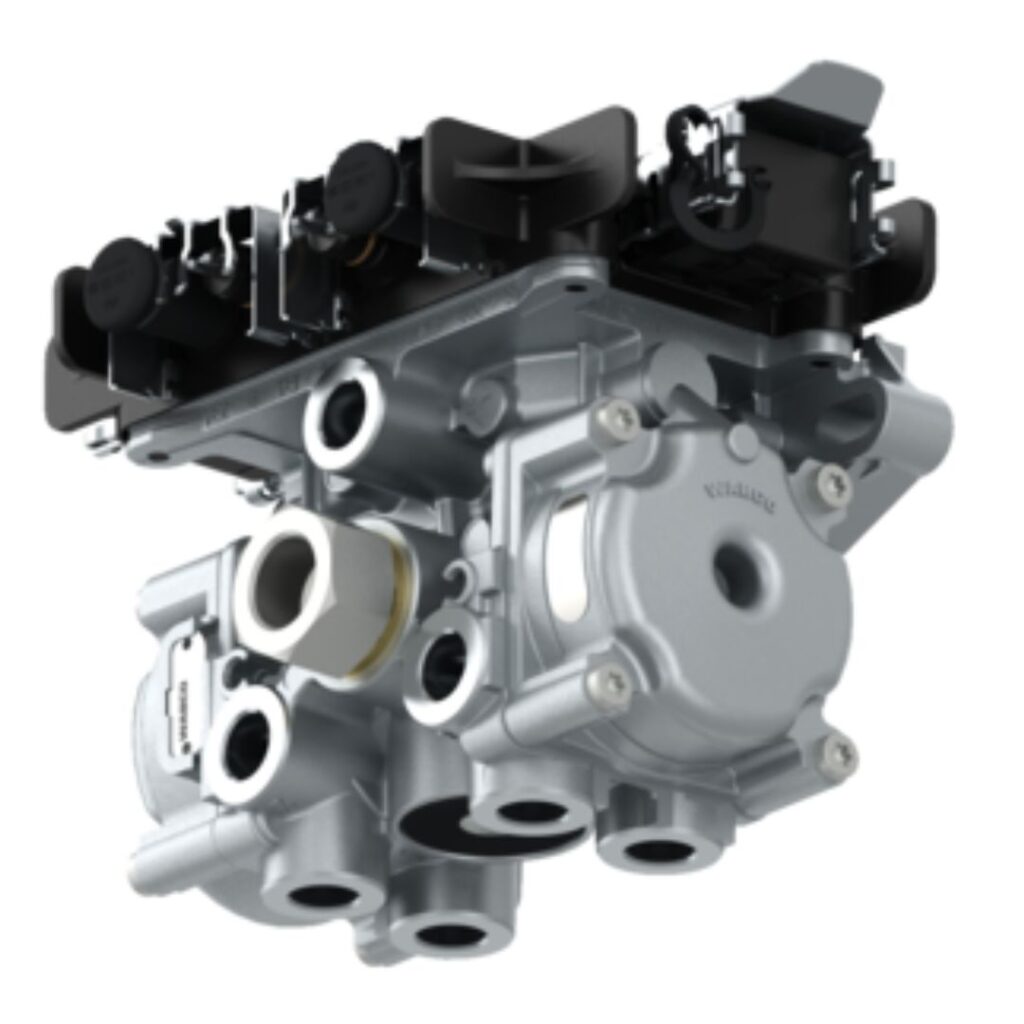
A WABCO ABS module is the control center of a truck or trailer’s anti-lock braking system. WABCO is a globally recognized manufacturer of commercial vehicle braking and control systems, widely used in heavy-duty trucks and trailers. Think of the module as the brain behind the brakes. While drivers press the pedal, the module constantly reads wheel speed sensors, monitors traction, and adjusts brake pressure in real time to prevent wheel lockup. On heavy-duty trucks and trailers — especially in wet or icy conditions — this split-second control keeps loads stable and drivers safe. Without a properly functioning module, the entire ABS system loses its ability to react intelligently.
This is where WABCO ABS module programming becomes critical. The module doesn’t just need to be installed — it must be configured correctly for axle count, wheel speed sensor setup, brake type, and vehicle application. If programming is incorrect or corrupted, the system may trigger faults or fail to communicate properly. Even a small software issue can feel like a major mechanical breakdown. Proper programming ensures the module “speaks the same language” as the truck or trailer, restoring safe and reliable braking performance.
Common Signs of WABCO ABS Module Failure
A WABCO ABS module failure rarely happens without warning. The system is designed to monitor itself constantly. When something goes wrong — whether it’s a communication error, corrupted software, or sensor conflict — the module sends signals that something isn’t right. The challenge is that many of these signs can look like other brake or electrical problems. That’s why accurate diagnosis — and often WABCO ABS module programming — is essential before replacing parts unnecessarily.
Below are the most common symptoms drivers and fleet managers encounter.
ABS Warning Light
The ABS warning light is usually the first sign of trouble. It may appear on the dashboard of the truck or illuminate on the trailer indicator. Sometimes it comes on intermittently. Other times, it stays on continuously.
Many drivers assume this automatically means a bad sensor. And yes, sensors can fail. But it’s not always that simple. In many cases, the warning light is triggered by internal communication issues inside the control unit itself — a classic sign of WABCO ABS module failure.
If the module’s configuration becomes corrupted or loses calibration, it may interpret normal signals as faults. This is where professional WABCO ABS module programming becomes critical. Instead of replacing hardware, reprogramming can restore proper communication and clear the warning at its source.
Ignoring the light may not immediately change braking feel, but it disables the anti-lock protection feature. That can create serious risks in wet, icy, or emergency braking conditions.
Loss of Communication
Another common symptom is loss of communication with diagnostic tools. A technician plugs in a scan tool — and the ABS module doesn’t respond.
This can be frustrating because the wiring may test fine. Power and ground connections may be solid. Yet the module simply won’t “talk.”
In many of these situations, the issue isn’t physical damage. It’s software corruption or improper configuration. Think of it like a computer that freezes — the hardware may still be functional, but the operating system needs to be restored.
A qualified WABCO ABS module programming service can often re-establish communication by reloading or correcting the internal software. Without proper programming equipment, some shops assume the module is dead and replace it entirely — adding unnecessary cost and downtime.
Loss of communication is one of the clearest indicators that programming should be evaluated before replacement.
Fault Codes
Fault codes provide clues, but they can also mislead. A single WABCO ABS module failure may trigger multiple fault codes at once — wheel speed sensor errors, power supply faults, or internal control unit errors.
It’s easy to chase each code individually:
- Replace a sensor
- Repair wiring
- Clear codes
- Watch them return
When multiple unrelated codes appear together, the root issue may actually be internal module corruption. If the control unit isn’t processing data correctly, it can generate false or cascading fault messages.
This is where experienced diagnostics matter. A professional WABCO ABS module programming service doesn’t just clear codes — it identifies whether the module’s software integrity is compromised. Reprogramming restores proper logic and eliminates repeat fault cycles.
Without correcting the programming, replacing components can feel like changing batteries in a smoke detector that keeps chirping — the symptom returns because the core issue wasn’t fixed.
Trailer Braking Inconsistencies
Sometimes the signs are less obvious. The driver may notice the trailer feels different during braking. Maybe it pulls slightly. Maybe braking feels uneven under load. Maybe ABS engages unexpectedly during moderate stops.
These inconsistencies can stem from a WABCO ABS module failure affecting pressure modulation. Since the module controls how brake force is distributed, any programming error can disrupt that balance.
Imagine an orchestra where one musician is slightly off tempo. The music still plays, but something feels wrong. That’s what happens when the ABS module’s configuration is incorrect.
Proper WABCO ABS module programming ensures the module matches the specific axle configuration and braking system of the trailer. Even small configuration mismatches can cause performance irregularities.
When braking behavior changes without clear mechanical damage, programming should always be part of the diagnostic process.
Why WABCO ABS Module Programming Is Often the Real Fix
When an ABS issue shows up, many shops immediately assume the control unit must be replaced. It’s an understandable reaction. After all, if the system isn’t communicating or keeps throwing fault codes, the module must be bad… right?
Not always.
In many cases, the hardware inside the unit is still functional. What’s actually failed is the configuration, calibration, or internal software. That’s why WABCO ABS module programming is often the real solution — not full replacement. Think of it like a smartphone. If an app crashes because of a software glitch, you don’t throw the phone away. You update or reset the software. The same principle applies here.
A true WABCO ABS module failure doesn’t always mean burned circuits or physical damage. It can mean corrupted data, improper installation setup, voltage interruption during flashing, or incorrect parameters loaded into the module. Without correcting those internal settings, even a brand-new replacement can experience similar issues.
This is where a professional WABCO ABS module programming service makes the difference. Instead of guessing, experienced technicians evaluate whether the module needs software correction before recommending replacement. That approach saves time, reduces cost, and prevents unnecessary downtime.
Below is a side-by-side comparison to clarify the difference:
Factor | WABCO ABS Module Programming | Full Module Replacement |
Cost | Typically lower cost because existing hardware is retained | Higher cost due to new unit purchase |
Downtime | Faster turnaround when hardware is functional | Longer downtime waiting for parts and installation |
Root Cause Resolution | Corrects software corruption and configuration errors directly | May not fix issue if programming isn’t performed correctly |
Hardware Replacement Needed | No, unless physical damage is confirmed | Yes, entire module replaced |
Long-Term Reliability | Restores factory-level configuration when done properly | Dependent on correct programming after installation |
One of the biggest misconceptions in the industry is assuming that installing a new unit automatically solves the problem. Even replacement modules require proper configuration. If programming is skipped or performed incorrectly, the same faults can return.
Another important point: repeated replacements without programming correction can create a cycle of frustration. Fault codes reappear. Communication drops again. The ABS light stays on. The vehicle returns to the shop. All because the underlying software issue wasn’t addressed.
That’s why experienced technicians always evaluate programming integrity first. In many cases, WABCO ABS module programming restores full functionality without the expense of replacement. It’s a smarter diagnostic pathway — especially for fleets where downtime directly impacts revenue.
When dealing with a suspected WABCO ABS module failure, the real question shouldn’t be “Do we replace it?” It should be “Has the programming been properly verified?”
The Risks of Ignoring WABCO ABS Module Failure
It’s easy to push brake warnings down the priority list — especially if the truck still stops and the load still moves. But ignoring a WABCO ABS module failure is a gamble that rarely pays off. ABS systems are designed to step in when traction is lost, during panic stops, or in slippery conditions. When the system is compromised, you may not notice the difference — until the moment you need it most.
Delaying proper WABCO ABS module programming or professional diagnostics can turn a manageable repair into a costly disruption. Here’s what’s at stake:
- DOT compliance issues
An illuminated ABS light can result in inspection violations. For commercial vehicles, that means potential fines, failed roadside inspections, or being placed out of service. What could have been resolved through timely WABCO ABS module programming may instead lead to compliance headaches that affect operations and reputation.
- Safety concerns
ABS prevents wheel lockup and helps maintain steering control during hard braking. Without a properly functioning system, stopping distances can increase — especially in rain, snow, or emergency situations. A confirmed WABCO ABS module failure reduces the safety margin drivers depend on every day.
- Increased repair costs
Minor software corruption can escalate if ignored. Electrical irregularities may stress other components. Repeated fault cycling can strain sensors or wiring. Addressing issues early through a professional WABCO ABS module programming service is typically far more affordable than replacing multiple parts later.
- Fleet downtime
For fleet operators, downtime equals lost revenue. A truck sitting in the yard waiting for diagnosis costs money. Unplanned breakdowns disrupt schedules and delivery commitments. Proactive diagnostics and timely programming reduce unexpected outages and keep vehicles on the road where they belong.
Many ABS issues start small — a flickering warning light, a single communication code, a brief inconsistency in braking. But small signs often point to deeper configuration or software concerns. Acting early protects safety, compliance, and operational efficiency.
How a Professional WABCO ABS Module Programming Service Works
When ABS problems surface, guessing is expensive. A proper WABCO ABS module programming service follows a structured, methodical process designed to pinpoint the exact cause of the issue — not just mask the symptoms. At Precision Transmission, that process focuses on verification, correction, and quality control to ensure the module performs exactly as it should before going back into service.
Here’s what that typically looks like.
Diagnostics Process
Every successful repair starts with accurate diagnostics. Before performing WABCO ABS module programming, technicians verify power supply, ground integrity, wiring condition, and sensor inputs. This step rules out external causes that may mimic a WABCO ABS module failure.
Advanced diagnostic tools communicate directly with the module to retrieve fault codes, configuration data, and internal status reports. Patterns matter here. Multiple unrelated codes, intermittent communication, or configuration mismatches often point toward software corruption rather than physical damage.
Instead of immediately recommending replacement, a professional service evaluates whether programming corrections can restore full functionality. That distinction protects customers from unnecessary parts costs and extended downtime.
Bench Testing
If deeper evaluation is required, the module may be removed and tested on a controlled bench setup. Bench testing allows technicians to simulate wheel speed signals, power inputs, and communication cycles outside of the vehicle environment.
This controlled setting eliminates outside variables. It answers a critical question: Is the hardware physically damaged, or is the issue tied to internal configuration?
During bench testing, specialists can confirm whether the module responds properly once stable power and communication inputs are provided. Many cases of suspected WABCO ABS module failure reveal that the hardware remains solid — further reinforcing the need for targeted WABCO ABS module programming rather than replacement.
Reprogramming Procedures
Once diagnostics confirm software or configuration issues, the reprogramming process begins. This is not a generic reset. It involves loading correct manufacturer-specific parameters for axle configuration, braking setup, and system calibration.
Proper WABCO ABS module programming ensures the module matches the exact truck or trailer application. Incorrect programming — even by small margins — can lead to recurring warning lights or braking inconsistencies.
Technicians use manufacturer-level tools and verified data to:
- Restore corrupted software
- Update outdated configurations
- Correct parameter mismatches
- Re-establish communication protocols
A professional WABCO ABS module programming service ensures that programming is completed without voltage interruption or data corruption, which are common causes of repeat issues when shortcuts are taken.
Quality Control Checks
Programming isn’t the final step — verification is.
After reprogramming, the module undergoes validation testing to confirm communication stability, fault code clearance, and proper system response. This ensures that the original WABCO ABS module failure has been fully resolved.
Quality control checks may include:
- Simulated braking response tests
- Communication verification with diagnostic tools
- Confirmation of correct configuration data
- Final fault code scans
This final validation step separates professional service from guesswork. It provides confidence that when the module is reinstalled, it will function reliably under real-world conditions.
Get Reliable WABCO ABS Module Programming from Precision Transmission
ABS issues don’t fix themselves — and replacing parts without verifying programming often leads to repeat problems. If you’re dealing with warning lights, communication loss, or suspected WABCO ABS module failure, the smarter first step is accurate diagnostics and professional reprogramming.
At Precision Transmission, we specialize in restoring brake control modules through expert WABCO ABS module programming and comprehensive testing. Our team understands the demands placed on commercial trucks and trailers, and we focus on solutions that reduce downtime, protect safety, and avoid unnecessary replacement costs.
If your vehicle needs a trusted WABCO ABS module programming service, contact Precision Transmission today. Let our specialists diagnose the issue correctly and get your truck or trailer safely back on the road with confidence.