
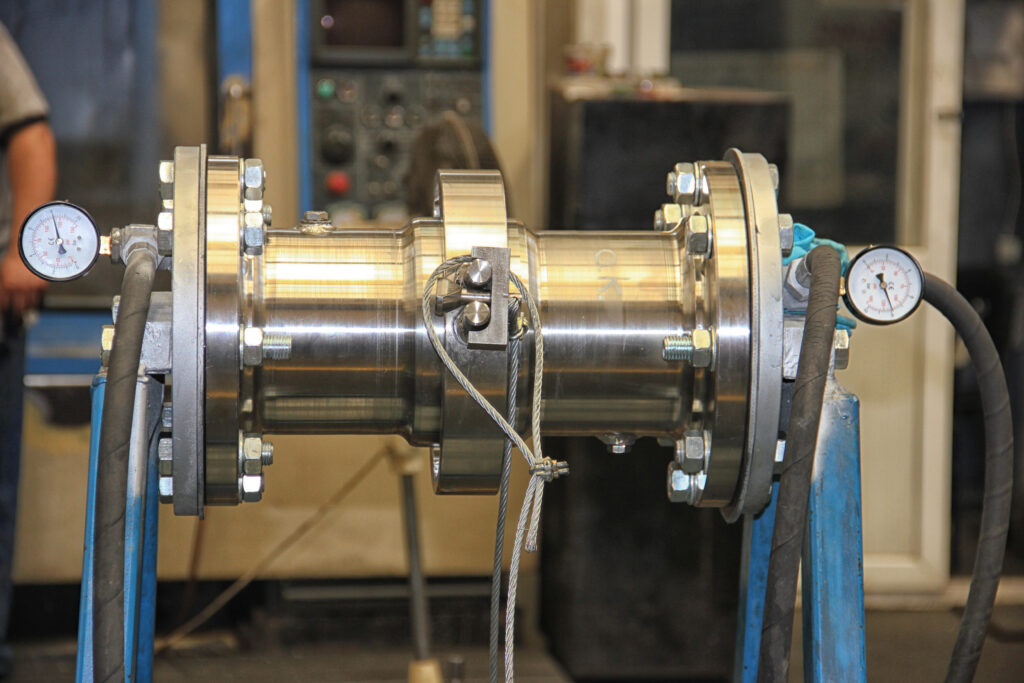
When your equipment starts losing power, hesitating on hills, or making strange whining noises, it’s rarely “just a small issue.” More often than not, those are early warning signs of hydrostatic transmission pump problems—and ignoring them can turn a manageable repair into a major breakdown.
The hydrostatic transmission pump is the heart of your machine’s drive system. Whether you’re operating a commercial mower, skid steer, tractor, or heavy-duty equipment, this component controls how smoothly power transfers from the engine to the wheels or tracks. When it works properly, movement feels effortless and precise. When it doesn’t, everything changes—performance drops, heat builds up, and productivity suffers.
What Are the Most Common Hydrostatic Transmission Pump Problems?
When equipment owners start researching hydrostatic transmission pump problems, it’s usually because something already feels off. The machine doesn’t respond the way it used to. Power seems weaker. Movements feel rough instead of smooth. Or maybe there’s a new sound that wasn’t there last week.
The hydrostatic transmission pump plays a central role in converting engine power into hydraulic energy that drives your equipment forward and backward. When internal components begin to wear or hydraulic pressure becomes unstable, performance suffers quickly. And while every situation is unique, most hydrostatic transmission pump problems fall into a handful of common categories.
Let’s break them down.
Loss of Power or Weak Movement
One of the most frequent hydrostatic transmission pump problems is a noticeable loss of power.
You press the pedal or move the control lever—and the machine hesitates. It moves, but it feels sluggish. It struggles under load. It may even stall when climbing a slope or pushing material.
This happens when the hydrostatic transmission pump can’t maintain proper hydraulic pressure. Instead of delivering strong, steady flow to the motor, it sends inconsistent or weakened pressure. The result? Reduced torque and poor performance.
Common causes include:
- Internal wear on pump components
- Scoring or damage to the pump housing
- Low or contaminated hydraulic fluid
- Air entering the system
Think of it like trying to drink through a cracked straw. No matter how hard you pull, the flow just isn’t right. That’s what your equipment experiences when pressure drops inside the hydrostatic transmission pump.
Left untreated, this issue often leads to more severe hydrostatic transmission pump problems, including overheating and internal damage.
Overheating During Operation
Heat is the silent enemy of hydraulic systems.
A hydrostatic transmission pump naturally generates heat during operation, but excessive heat is a red flag. If your equipment becomes unusually hot after normal use, or if warning lights activate, you may be facing one of the more serious hydrostatic transmission pump problems.
Overheating usually happens when:
- Fluid levels are low
- Hydraulic fluid is dirty or degraded
- Internal parts are worn and causing friction
- The cooling system isn’t functioning properly
When fluid breaks down due to heat, it loses its ability to lubricate and protect internal parts. That accelerates wear inside the hydrostatic transmission pump and creates a damaging cycle: more friction leads to more heat, which leads to more wear.
If overheating continues, you could be looking at costly hydrostatic transmission pump repair—or even full replacement.
Unusual Noises (Whining, Grinding, or Knocking)
Your equipment talks to you. You just have to listen.
Strange noises are one of the clearest indicators of hydrostatic transmission pump problems. A healthy system runs relatively smooth and consistent. When new sounds appear, something has changed internally.
Common sounds include:
- High-pitched whining
- Grinding or scraping
- Knocking or rattling
- Loud humming under load
Whining often indicates pressure irregularities or air in the system. Grinding can point to worn bearings or damaged internal components inside the hydrostatic transmission pump. Knocking may signal severe internal wear.
Ignoring these noises is risky. They rarely go away on their own. In fact, they typically get louder as hydrostatic transmission pump problems worsen.
It’s similar to hearing a knocking sound in your car’s engine. You wouldn’t turn up the radio and hope it disappears. The same logic applies here.
Hydraulic Fluid Leaks
Leaks are more than a mess on the shop floor—they’re a sign of internal trouble.
Hydraulic fluid is essential to the operation of your hydrostatic transmission pump. Without proper fluid levels and pressure, performance drops fast. Leaks can occur from:
- Worn seals
- Damaged hoses
- Cracked fittings
- Excessive internal pressure
When fluid escapes, pressure drops. And when pressure drops, hydrostatic transmission pump problems follow quickly.
In some cases, the leak is external and easy to identify. In others, fluid bypassing internally within the hydrostatic transmission pump can reduce efficiency without obvious external signs.
Even a small leak can grow into a major failure if not addressed. That’s why professional hydrostatic transmission service is critical when fluid loss appears.
Jerky, Slipping, or Delayed Response
Hydrostatic systems are designed for smooth, precise control. If your equipment starts moving unpredictably, that’s a strong indicator of hydrostatic transmission pump problems.
You might notice:
- Delayed engagement when pressing the pedal
- Sudden surging forward
- Slipping under load
- Inconsistent speed control
These symptoms often point to pressure instability or internal wear within the hydrostatic transmission pump. Instead of delivering steady hydraulic flow, the pump produces inconsistent output.
Imagine trying to drive a vehicle where the accelerator randomly responds too much or too little. That unpredictability not only reduces efficiency—it can create safety concerns.
Jerky or slipping movement should never be ignored. In many cases, early hydrostatic transmission pump repair can correct the issue before internal damage spreads further into the system.
Symptoms of Hydrostatic Transmission Pump Problems
Sometimes the issue isn’t obvious right away. The machine still moves. It still works. But something feels different.
That’s how many hydrostatic transmission pump problems begin — subtly. Small changes in performance are often early warnings that internal components inside the hydrostatic transmission pump are wearing down or hydraulic pressure is becoming unstable.
Catching these symptoms early can mean the difference between a manageable hydrostatic transmission pump repair and a full system failure.
Here are three of the most important warning signs to watch for.
Slow or Delayed Equipment Movement
If your equipment hesitates before moving, responds slowly when you press the pedal, or feels sluggish overall, that’s one of the clearest symptoms of hydrostatic transmission pump problems.
Hydrostatic systems rely on immediate hydraulic pressure to create smooth motion. When the hydrostatic transmission pump is healthy, movement feels almost effortless. The response is quick and consistent.
But when internal wear develops or pressure drops:
- The machine may pause before moving
- Acceleration feels weak
- Forward or reverse engagement is delayed
- Overall speed seems reduced
This often happens because the hydrostatic transmission pump can’t maintain the proper flow of hydraulic fluid. Worn internal surfaces, contamination, or air in the system can all reduce efficiency.
Many operators describe it as feeling like the machine is “tired.” And that’s not far from the truth. The pump is working harder but delivering less.
This is typically one of the earliest hydrostatic transmission pump problems to appear — and one of the most important to address quickly.
Difficulty Climbing Hills or Handling Loads
Another common symptom of hydrostatic transmission pump problems is a noticeable loss of power under load.
Your equipment might run fine on flat ground. But when climbing a hill, pushing material, towing weight, or operating under stress, performance drops sharply.
You may notice:
- The machine slows significantly on inclines
- It struggles to maintain speed while carrying weight
- You need more throttle to achieve the same output
- The system feels like it’s slipping under pressure
This happens when the hydrostatic transmission pump can’t generate or sustain the hydraulic pressure needed for torque. Under light conditions, it may perform adequately. But as demand increases, weaknesses become obvious.
It’s similar to an athlete who can jog comfortably but collapses during a sprint. The base function is there, but the system can’t handle higher demand.
Continued operation under heavy load while experiencing hydrostatic transmission pump problems can accelerate internal wear and lead to overheating or deeper damage.
Excessive Vibration During Operation
Hydrostatic systems are designed for smooth, steady motion. If your equipment starts vibrating more than usual, that’s a strong warning sign.
Excessive vibration can indicate:
- Internal component imbalance
- Worn bearings inside the hydrostatic transmission pump
- Cavitation (air bubbles collapsing in the fluid)
- Pressure instability
When hydraulic pressure fluctuates rapidly, it can create pulsations throughout the system. Those pulsations translate into vibration you can feel through the controls or seat.
Over time, vibration doesn’t just signal hydrostatic transmission pump problems — it can cause additional wear in connected components. Hoses, fittings, seals, and even the hydraulic motor can suffer from prolonged instability.
Many operators dismiss vibration as “normal wear.” But sudden changes in how the machine feels are rarely random. They’re messages.
If vibration is paired with noise, sluggish movement, or overheating, professional hydrostatic transmission service becomes even more important.
How Long Does a Hydrostatic Transmission Pump Last?
It’s one of the most common questions equipment owners ask: How long should a hydrostatic transmission pump last?
The honest answer? It depends.
Some hydrostatic transmission pumps run strong for thousands of hours. Others develop hydrostatic transmission pump problems much sooner. The difference usually isn’t luck — it comes down to maintenance habits, operating conditions, and the quality of repairs when issues arise.
Think of it like a diesel engine. With proper care, it can run for years. Neglect it, and failure comes fast.
Here are three major factors that determine the lifespan of a hydrostatic transmission pump.
Maintenance and Fluid Change Frequency
Hydraulic fluid is the lifeblood of a hydrostatic transmission pump. It lubricates moving parts, controls temperature, and transfers power. When fluid is clean and at the proper level, the system runs smoothly.
When it’s dirty, degraded, or low? That’s when hydrostatic transmission pump problems begin.
Over time, hydraulic fluid breaks down. Heat, pressure, and contamination from tiny metal particles reduce its protective qualities. If fluid changes are delayed, those contaminants circulate through the hydrostatic transmission pump, slowly wearing internal surfaces.
Skipping routine maintenance can lead to:
- Increased friction
- Reduced hydraulic pressure
- Seal damage
- Premature internal wear
On the other hand, consistent hydrostatic transmission service — including fluid and filter changes at recommended intervals — dramatically extends pump life.
It’s similar to changing oil in your truck. You wouldn’t wait until the engine fails. The same principle applies here.
Routine maintenance is one of the simplest ways to prevent serious hydrostatic transmission pump problems before they start.
Operating Conditions and Workload Stress
Not all equipment lives the same life.
A mower used occasionally on flat residential property experiences far less strain than a skid steer working daily on construction sites. Workload matters. Environment matters. Operator habits matter.
Harsh conditions that shorten the life of a hydrostatic transmission pump include:
- Constant heavy loads
- Frequent stop-and-go operation
- Long hours in high temperatures
- Dusty or dirty job sites
- Aggressive or abrupt operation
Heat is especially damaging. When a hydrostatic transmission pump operates under continuous stress, internal temperatures rise. Excess heat thins hydraulic fluid and reduces its ability to protect components.
Eventually, wear accelerates. And once wear reaches a certain point, hydrostatic transmission pump problems become unavoidable.
That doesn’t mean heavy equipment is doomed to fail early. It simply means proper hydrostatic transmission service becomes even more critical in demanding environments.
Quality of Repairs and Replacement Parts
Not all repairs are equal.
When hydrostatic transmission pump problems appear, the quality of the solution determines how long the pump will last afterward.
A temporary patch or low-grade replacement part may restore function briefly, but it often leads to repeat failures. On the other hand, precision hydrostatic transmission pump repair performed by experienced specialists can restore performance and extend service life significantly.
Quality repairs involve:
- Accurate pressure testing
- Inspection of internal components
- Replacement of worn seals and bearings
- Proper system flushing to remove contaminants
- Careful reassembly to factory specifications
When hydrostatic transmission pump repair is handled correctly, many units return to reliable, long-term operation.
This is where professional experience makes a difference. A trained technician understands how small internal imperfections can lead to larger hydrostatic transmission pump problems down the road.
In short, lifespan isn’t just about hours on the machine. It’s about how well the system is maintained, how it’s used, and how properly it’s repaired when issues arise.
Why Hydrostatic Transmission Pump Problems Require Professional Repair
When hydrostatic transmission pump problems appear, they’re rarely surface-level issues. Inside a hydrostatic transmission pump are precision components operating under high pressure. Small internal wear can quickly turn into major damage if not handled correctly.
That’s why professional hydrostatic transmission pump repair matters.
- Expertise in Hydrostatic Systems
Hydrostatic systems require specialized knowledge. An experienced technician understands pressure balance, internal wear patterns, and how small failures lead to larger hydrostatic transmission pump problems.
- Accurate Professional Diagnosis
Many issues share similar symptoms. Proper testing ensures the true cause is identified, preventing unnecessary repairs and repeat breakdowns.
- Precision Hydrostatic Transmission Pump Repair
Professional repair involves careful inspection, quality parts, and exact reassembly standards to restore performance and extend the life of your hydrostatic transmission pump.
When it comes to hydrostatic transmission service, experience and accuracy make all the difference.
Schedule Professional Hydrostatic Transmission Service
If you’re noticing hydrostatic transmission pump problems, the worst thing you can do is wait.
Small issues rarely stay small. A slight delay in movement can turn into complete loss of drive. A faint whining noise can become internal damage. And overheating can shorten the life of your hydrostatic transmission pump faster than you think.
The good news? Early action makes a difference.
At Precision Transmission, we specialize in diagnosing and resolving hydrostatic transmission pump problems for commercial, industrial, and heavy-duty equipment. Our team understands how critical your machinery is to your daily operations. Downtime costs money. Delays cost productivity. That’s why we focus on accurate diagnosis and dependable hydrostatic transmission pump repair done right the first time.
Whether your transmission equipment needs testing, adjustment, or full hydrostatic transmission service, our experienced technicians are equipped to restore performance and reliability. We take the time to inspect the entire system, not just the obvious symptoms, so hidden issues don’t come back to cause repeat failures.
If you suspect hydrostatic transmission pump problems, don’t wait for a complete breakdown.
Colmar, PA
215-822-8300
Fort Myers, FL
888-343-8912
Call Precision Transmission today to schedule professional hydrostatic transmission service and get your equipment back to working at full strength.