
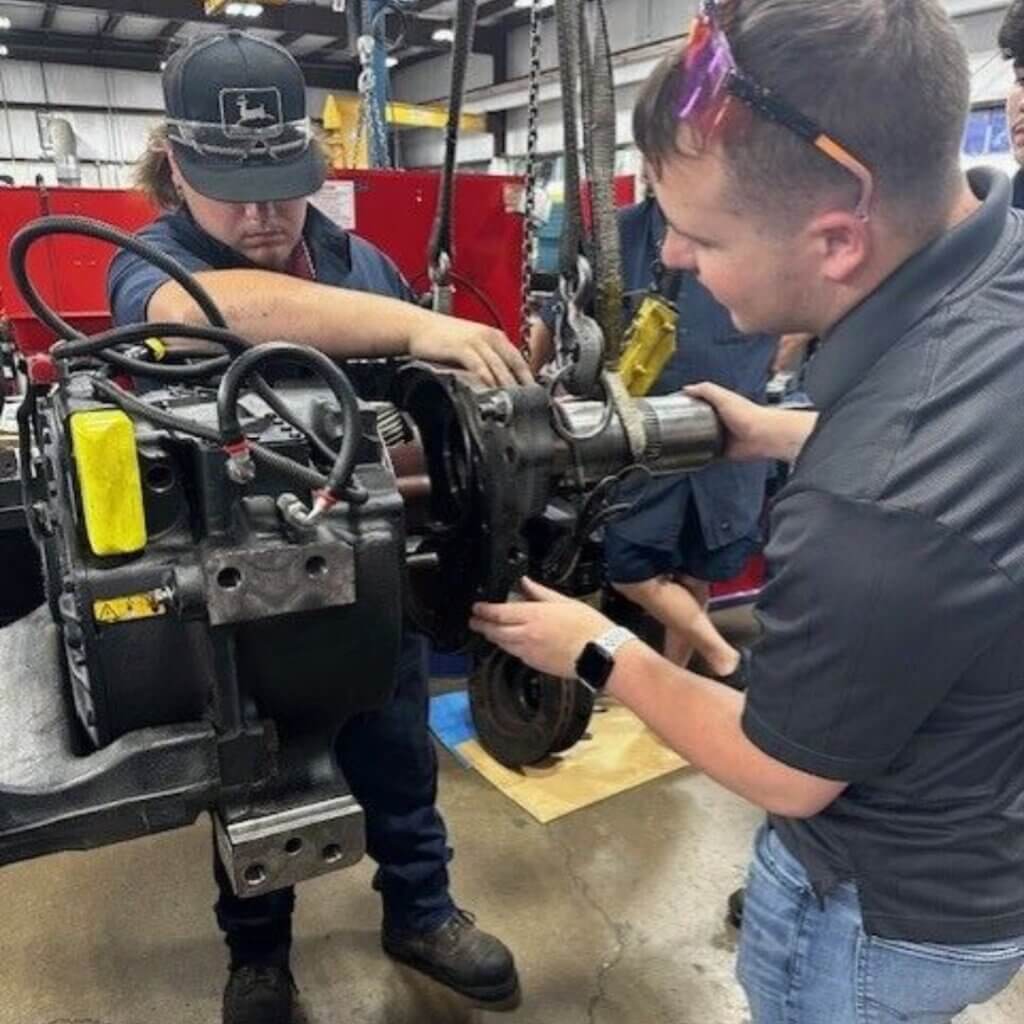
Off-highway equipment operates in environments where there is very little margin for error. Construction sites, mines, ports, and industrial yards demand constant output under heavy load. When a transmission fails in this type of equipment, the impact extends far beyond the cost of the repair itself. Production slows, schedules slip, and downstream operations feel the effects almost immediately.
This is why equipment owners and fleet managers increasingly rely on remanufactured OEM transmissions for off-highway equipment with OEM-level testing. These units are built to handle real working conditions, not just pass a basic functionality check. The difference lies in how they are rebuilt, validated, and proven before installation.
What “Remanufactured” Really Means in Off-Highway Applications
The term “remanufactured” is widely used, but its meaning varies significantly across the industry. In off-highway applications, the difference between a true remanufactured transmission and a basic rebuild is critical.
A true remanufactured transmission involves a disciplined, end-to-end process rather than selective repair. This process typically includes:
Complete teardown to the bare housing
Cleaning and inspection of every component
Measurement of hard parts against OEM tolerances
Replacement of all wear components, not only failed ones
Installation of OEM updates and design improvements
This approach restores the transmission to OEM specifications rather than simply returning it to operation. Remanufactured OEM transmissions for off-highway equipment with OEM-level testing follow this methodology, ensuring consistency and repeatability across units.
Remanufactured OEM Transmissions for Off-Highway Equipment With OEM-Level Testing
Remanufactured OEM transmissions for off-highway equipment with OEM-level testing are distinguished by validation, not assumptions. Assembly alone does not confirm performance. Testing does.
OEM-level testing replicates operating conditions that off-highway equipment experiences in the field. Instead of relying on static checks, the transmission is evaluated dynamically.
OEM-level testing typically validates:
Hydraulic pressures under simulated load
Shift timing and clutch engagement accuracy
Thermal behavior at operating temperature
Lubrication flow to high-wear components
Overall performance stability across operating ranges
This process confirms that the transmission performs as intended, not just that it turns. When remanufactured OEM transmissions for off-highway equipment with OEM-level testing are installed, they arrive with documented proof of performance.
How OEM-Level Testing Transmissions Reduce Risk in Severe-Duty Environments
Severe-duty environments expose weaknesses quickly. Continuous load, frequent direction changes, and long operating hours amplify even small issues.
OEM-level testing transmissions reduce risk by identifying problems before they become field failures. Testing helps catch issues that visual inspection alone cannot detect.
Testing reduces risk by:
Identifying pressure leaks that only appear under load
Verifying clutch pack balance and holding capacity
Confirming control response during sustained operation
Preventing early-life failures after installation
For equipment owners, this means fewer surprises during commissioning and a lower chance of unexpected downtime shortly after replacement.
Where Reman OEM Off-Highway Transmissions Outperform Aftermarket Rebuilds
Aftermarket rebuilds are often marketed as cost-effective alternatives, but performance consistency is where many fall short. Off-highway equipment does not tolerate variability well.
Reman OEM off-highway transmissions are built around OEM specifications that were developed through extensive testing and field experience. These specifications define clearances, materials, and assembly procedures that support long service life.
Key differences equipment owners actually experience include:
More consistent shift quality under heavy load
Improved heat management during long duty cycles
Fewer installation-time adjustments or corrections
Longer intervals between service events
Remanufactured OEM transmissions for off-highway equipment with OEM-level testing deliver predictable performance, which is essential in production-driven environments.
Component Sourcing: OEM Hard Parts vs. Reconditioned Shortcuts
Component selection directly affects transmission life. OEM hard parts are manufactured to strict standards and designed to work as a system.
Remanufactured OEM transmissions for off-highway equipment with OEM-level testing prioritize OEM or equivalent-quality components to maintain system integrity. Using mismatched or marginal parts can introduce stress points that lead to premature failure.
Shortcuts may reduce build cost, but they often increase the likelihood of repeat repairs. In off-highway applications, repeat repairs are rarely acceptable.
Application-Specific Calibration for Construction, Mining, and Industrial Equipment
Off-highway equipment serves a wide range of applications, each with unique operating demands. A transmission calibrated for mining may behave differently than one optimized for construction or industrial handling.
Remanufactured OEM transmissions for off-highway equipment with OEM-level testing are calibrated with application requirements in mind. This includes pressure settings, shift sequencing, and control response.
Application-specific calibration improves:
Operator control and machine responsiveness
Component longevity under typical duty cycles
Overall efficiency during normal operation
These refinements contribute to smoother operation and reduced wear over time.
Quality Control Standards That Mirror OEM Production Lines
Consistency is essential in remanufacturing. OEM-level quality control emphasizes repeatable processes and documented verification at every stage.
Remanufactured OEM transmissions for off-highway equipment with OEM-level testing follow structured quality control programs that include inspection checkpoints, measurement records, and performance documentation.
This level of discipline ensures that each unit meets the same standards, regardless of production volume.
Common Failure Patterns in Off-Highway Transmissions and How Testing Prevents Repeat Issues
Many off-highway transmission failures follow predictable patterns. Understanding these patterns helps explain the value of OEM-level testing.
Failures are commonly traced back to:
Heat-damaged clutch packs
Pressure instability in valve bodies
Inadequate lubrication at low speed and high load
Miscalibrated shift sequencing
OEM-level testing transmissions expose these issues under controlled conditions, allowing them to be corrected before the transmission enters service.
When Remanufactured OEM Transmissions Make More Sense Than New Units
New transmissions are not always practical. Availability, cost, and lead time can make new units difficult to source, especially for older equipment models.
Remanufactured OEM transmissions for off-highway equipment with OEM-level testing offer a reliable alternative. They provide OEM-level performance while supporting existing equipment investments.
For many operations, this approach extends machine life and improves return on capital without sacrificing reliability.
Supporting Fleets, Contractors, and Equipment Owners Nationwide
Off-highway equipment owners operate across diverse regions and industries. Reliable support and consistent quality are essential.
Precision Transmission supports customers nationwide with remanufactured OEM transmissions for off-highway equipment with OEM-level testing, serving construction, mining, and industrial operations that depend on uptime.
Nationwide Shipping and Service Support
We ship and serve nationwide, providing dependable access to remanufactured OEM transmissions for off-highway equipment with OEM-level testing.
Our nationwide support includes:
Shipping to job sites and service facilities
Support for construction, mining, and industrial equipment
Consistent OEM-level build and testing standards
Colmar, PA
215-822-8300
Fort Myers, FL
888-343-8912
From single machines to large fleets, our focus is on delivering transmissions that are built, tested, and ready for the demands of off-highway service.