
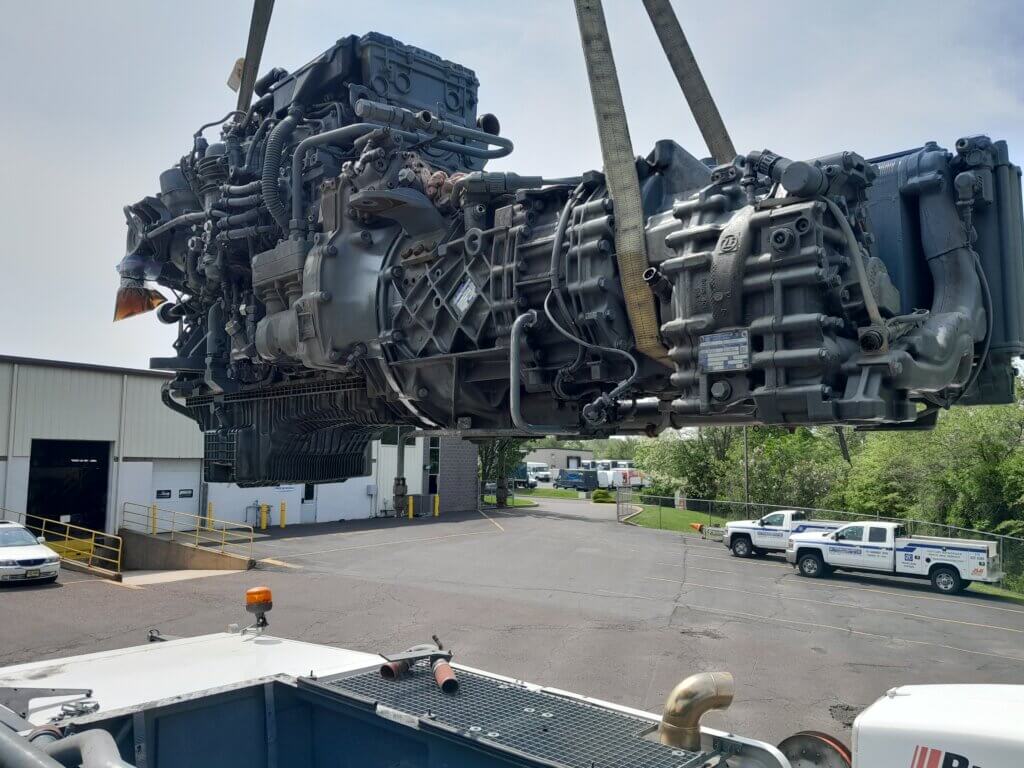
A heavy-duty transmission is one of the hardest-working components in any truck, piece of equipment, or fleet vehicle — and one of the most expensive to replace. Knowing how to maintain a heavy-duty transmission to increase its lifespan isn’t just a good question; it’s the difference between a unit that runs strong for hundreds of thousands of miles and one that fails ahead of schedule. The good news is that most premature transmission failures are preventable with the right maintenance approach.
Why Heavy-Duty Transmission Maintenance Is Non-Negotiable
Heavy-duty transmissions operate under conditions that standard automotive units are never designed to handle — sustained high torque loads, extreme heat cycles, and continuous use across demanding terrain or long haul routes. Where a passenger vehicle transmission might see moderate stress a few times a week, a commercial or off-highway unit can run at or near capacity for hours at a stretch. That sustained strain accelerates wear on fluid, filters, clutch packs, and gear trains faster than most operators realize — which is exactly why heavy-duty transmission maintenance isn’t optional. It’s the baseline for keeping the unit in service.
How Often Should You Service a Heavy-Duty Transmission?
Service intervals for heavy-duty transmissions aren’t one-size-fits-all. The right schedule depends on the unit, the application, and how hard the equipment is being pushed. That said, there are industry-standard benchmarks worth knowing — and in demanding applications, those benchmarks are often a floor, not a ceiling.
Follow the OEM Maintenance Schedule
The starting point for any service interval is the OEM manual. Allison Transmission, for example, specifies TES 295-compliant fluid change intervals based on operating conditions — severe duty cycles call for shorter intervals than standard on-highway use. Eaton Fuller manual transmissions have their own lubricant change schedules tied to mileage and application type. Whatever the unit, the manufacturer’s service manual is the authoritative source — not general estimates, not what the last shop recommended.
How Often Should You Change Transmission Fluid?
For most heavy-duty applications, a heavy-duty transmission fluid change falls somewhere between every 25,000 and 50,000 miles — but that range shifts significantly based on operating environment. Equipment running in extreme heat, dusty jobsite conditions, or stop-and-go urban cycles will need more frequent changes than a highway fleet truck logging steady miles under moderate load. Fluid that’s past its service life loses viscosity and contamination resistance, which accelerates internal wear across every component it’s supposed to protect.
Factor in Your Operating Conditions
Mileage intervals alone don’t tell the full story. A transmission pulling heavy loads up mountain grades every day is aging faster than the odometer suggests. The same applies to equipment running in construction, mining, or agriculture — high contamination environments that put extra strain on filters and fluid. In these applications, shortening the service interval beyond what the OEM recommends for standard duty is a reasonable and often necessary call.
Don’t Skip Inspections Between Service Intervals
Scheduled service intervals are not a substitute for regular inspections. Between fluid changes, transmission mounts, seals, cooling lines, and the input shaft housing should all be checked for wear, leaks, or damage. Catching a failing seal or a partially blocked cooler line between service visits is far less costly than finding out about it after the unit overheats on a job.
How To Maintain A Heavy-Duty Transmission To Increase Its Lifespan
Understanding how to maintain a heavy-duty transmission to increase its lifespan comes down to a handful of consistent practices. None of them are complicated — but skipping any one of them regularly is how units end up failing well before their time.
Monitor and Change Transmission Fluid Regularly
Transmission fluid is the single most important factor in heavy-duty transmission lifespan. It lubricates moving parts, manages heat, and keeps internal components protected under load. Over time, fluid breaks down — it oxidizes, absorbs contaminants, and loses its ability to do any of those jobs effectively. A heavy-duty transmission fluid change on schedule isn’t maintenance for maintenance’s sake; it’s the most direct way to prevent accelerated internal wear. Check fluid levels regularly between changes, and if the fluid looks dark, smells burnt, or shows signs of contamination, don’t wait for the next scheduled interval — change it.
Inspect and Replace Filters on Schedule
The transmission filter keeps contaminants out of the fluid circuit. In heavy-duty applications — especially those running in dusty, debris-heavy environments — filters clog faster than the OEM’s standard interval might anticipate. A blocked filter restricts fluid flow, starves components of lubrication, and creates the kind of heat buildup that shortens transmission life in a hurry. Inspect filters at every service visit and replace them on a schedule that reflects actual operating conditions, not just calendar time.
Keep the Cooling System in Check
Overheating is one of the leading causes of heavy-duty transmission failure. Heat breaks down fluid faster, accelerates clutch pack wear, and can cause permanent internal damage after even a single severe overheating event. Keeping the cooling system in good working order means more than glancing at the transmission temperature gauge — it means inspecting cooler lines, checking for blockages, verifying coolant flow, and confirming that the transmission cooler itself is functioning properly. In high-load applications, an auxiliary transmission cooler is worth serious consideration.
Watch Your Load and Driving Habits
The way equipment is operated has a direct impact on heavy-duty transmission maintenance requirements and overall lifespan. Consistently overloading beyond rated capacity, aggressive acceleration, hard stops, and improper gear selection under load all force the transmission to work harder than it’s designed to. For fleet managers, that means driver training is part of the maintenance equation. For owner-operators, it means being deliberate about load management, using tow/haul mode when appropriate, and avoiding the habits that generate unnecessary heat and mechanical stress.
Don’t Ignore Early Warning Signs
A transmission rarely fails without warning. Slipping gears, delayed engagement, unusual noises, fluid leaks, and warning lights are all signals that something is wrong — and the earlier those signals get attention, the less damage gets done. Waiting to see if a problem resolves on its own is one of the most reliable ways to turn a manageable repair into a full rebuild or replacement. When something feels off, get it inspected.
Warning Signs You Shouldn’t Ignore
Even with a solid heavy-duty transmission maintenance routine in place, problems can still develop. Catching them early is what separates a minor repair from a major rebuild. Watch for these:
- Slipping gears or delayed engagement — the transmission hesitates, shifts late, or loses power transfer under load
- Unusual noises — grinding, whining, or clunking during shifts or while under load
- Transmission fluid leaks — puddles under the unit, low fluid levels, or visible seepage around seals and gaskets
- Burnt or contaminated fluid — dark, gritty, or burnt-smelling fluid is a sign the system is overdue for service or developing internal damage
- Warning lights or fault codes — don’t clear codes and move on; pull the diagnostic and find out what the transmission is telling you
Heavy-Duty Transmission Maintenance: Frequently Asked Questions
How long does a heavy-duty transmission last?
Heavy-duty transmission lifespan varies significantly based on application, maintenance history, and operating conditions. A well-maintained unit in highway use can last 300,000 to 500,000 miles or more. Off-highway and severe duty applications typically see shorter service lives due to higher loads and harsher environments — but consistent maintenance is the single biggest factor in how long any unit stays in service.
What type of fluid does a heavy-duty transmission require?
It depends on the unit. Allison transmissions specify TES 295 or TES 668-compliant fluids depending on the series and model year. Eaton Fuller manual transmissions typically call for a straight-weight gear oil meeting SAE and API specifications outlined in the Eaton Fuller Transmission Service Manual. Always consult the OEM service manual for your specific unit — using the wrong fluid type can void warranty coverage and accelerate internal wear.
Can I extend transmission fluid change intervals with synthetic fluid?
In some cases, yes — but only within the boundaries the OEM allows. Allison’s TES 295-approved synthetic fluids, for example, are designed to support extended drain intervals under certain operating conditions, as outlined in Allison’s official fluid and filter change guidelines. That extension is not a blanket rule. Severe duty cycles, contaminated environments, and high heat applications may still require shorter intervals regardless of fluid type. Let the OEM spec and actual operating conditions drive the decision, not the fluid marketing.
What happens if you neglect heavy-duty transmission maintenance?
Neglected maintenance compounds quickly. Degraded fluid loses its ability to lubricate and cool, accelerating wear on clutch packs, bearings, and gear trains. Clogged filters restrict fluid flow and contribute to overheating. Small leaks become bigger ones. What starts as a fluid change interval missed by 10,000 miles can end in a full rebuild or unit replacement — at a fraction of the cost of what consistent heavy-duty transmission maintenance would have required over the same period.
Call a Professional Transmission Specialist
Knowing how to maintain a heavy-duty transmission to increase its lifespan is the first step — but maintenance has limits. When a unit shows signs of internal damage, persistent fault codes, or performance issues that fluid and filter changes don’t resolve, it’s time to bring in a specialist.
At Precision Transmission, we’ve been working on heavy-duty transmissions for over 40 years. Our team services, rebuilds, and remanufactures units across the full spectrum of heavy-duty applications — commercial trucks, off-highway equipment, fleet vehicles, and more. We work on all major brands including Allison, Eaton Fuller, ZF, Dana, Twin Disc, and Clark, and every unit that comes through our shop gets verified on one of our three in-house dynos before it goes back into service.
Whether you need a scheduled service, a rebuild quote, or a second opinion on a transmission that isn’t performing right, our team is ready to help. Reach out through our contact page to get started — we’ll route you to the right specialist at our Colmar, PA or Fort Myers, FL facility.