
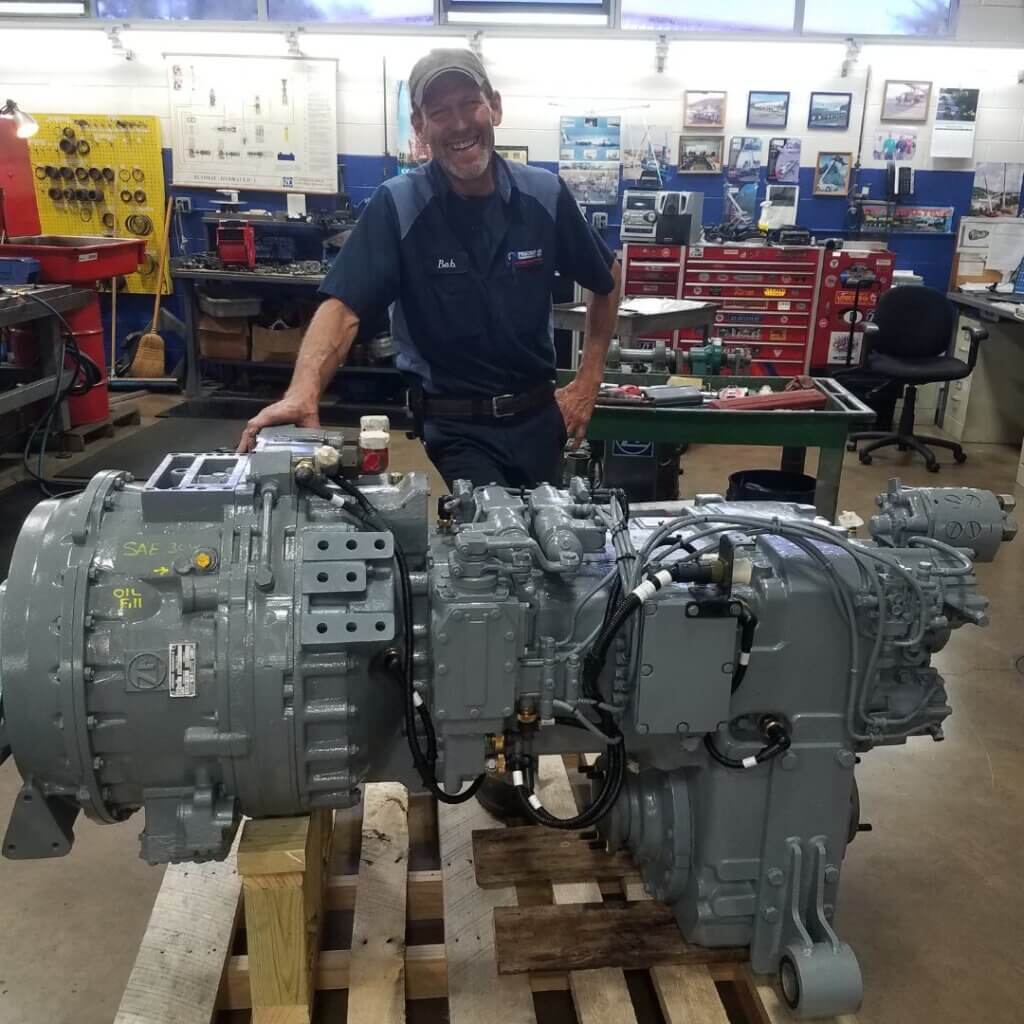
If you’ve ever had your heavy-duty vehicle sidelined due to transmission trouble, you know just how critical it is to get it fixed fast—and fixed right. But when it comes to major drivetrain components like transmissions, not just anyone with a wrench will do. The real challenge is how to choose the right transmission technicians who can diagnose, repair, or rebuild your system with expertise you can trust.
Heavy-duty transmission systems aren’t just bigger—they’re more complex, more specialized, and under constant pressure in commercial and industrial applications. Whether you run a fleet of dump trucks or operate off-highway equipment, having the right technician in your corner can save you thousands in repairs and downtime.
How to Choose the Right Transmission Technicians for Your Heavy-Duty Vehicle
When your heavy-duty truck or equipment goes down, the last thing you want is guesswork. You need someone who knows what they’re doing—and fast. But knowing how to choose the right transmission technicians can feel overwhelming if you’re not sure what to look for.
Start by checking if they specialize in heavy-duty systems. Not every mechanic is trained or equipped for the size, complexity, and demands of transmissions in commercial or industrial vehicles. Look for shops that handle brands like Allison, Eaton, or ZF regularly.
Next, consider their diagnostic tools and process. Today’s systems are packed with electronic controls, sensors, and software. The right technician should have OEM-level tools and the know-how to interpret data, not just pull codes.
Reputation also matters. Check online reviews, ask other operators or fleet managers, and see what kind of work the shop is known for. A technician with real-world experience and happy customers is a safe bet.
Finally, ask the right questions:
- Do they offer warranty coverage?
- Can they explain your options clearly?
- What’s their typical turnaround time?
Choosing the right technician is about more than just skill—it’s about trust, communication, and consistency. Once you’ve found someone who checks all the boxes, you’ll know your vehicle is in the right hands.
Key Qualifications to Look for in Heavy-Duty Transmission Technicians
When you’re trying to figure out how to choose the right transmission technicians, qualifications are your best compass. A shiny shop or low price might get your attention, but it’s the technician’s background, training, and experience that truly determine whether your transmission gets fixed properly—or fails again.
Let’s break down three qualifications that separate average techs from top-tier professionals.
Training in Heavy-Duty Transmissions
Not all transmission training is created equal. Light-duty mechanics might know their way around a pickup, but servicing a 60,000-pound commercial vehicle takes a different level of training.
You’ll want to look for technicians who have:
- Hands-on experience with heavy-duty systems
- Completed OEM-specific training (like Allison or Eaton programs)
- Attended vocational or technical schools focused on diesel and commercial drivetrains
Think of it like choosing a heart surgeon over a general practitioner—you wouldn’t trust your heart to someone who only studied the basics. Heavy-duty transmission work requires that same kind of specialization.
Familiarity with Manual vs. Automatic Heavy-Duty Systems
Today’s commercial vehicles are split between traditional manual transmissions and more advanced automatic or automated manual (AMT) systems. Each has its quirks—and a technician needs to be comfortable with both.
Manual systems require a deep understanding of clutches, gear synchronizers, and driver habits. Automatic and AMT systems, on the other hand, often involve complex electronics, hydraulics, and software integrations.
A qualified technician will know how to:
- Diagnose shifting issues on both types
- Rebuild manual gearboxes or clutch assemblies
- Troubleshoot electronics and sensors in automatic systems
If the shop only works on one or the other, you might not get the full picture—or the right repair.
Track Record in Preventative Maintenance
A good technician fixes your problem. A great one helps you avoid it in the first place.
Preventative maintenance is the backbone of fleet reliability. Technicians with this mindset will:
- Spot early signs of wear (like fluid contamination or seal leaks)
- Recommend service intervals based on actual usage, not just factory suggestions
- Help you plan ahead for rebuilds or replacements—before you’re stranded
Ask the shop how they handle routine transmission checks. If their idea of service is “wait until it breaks,” that’s not someone you want on your team.
So, when you’re deciding how to choose the right transmission technicians, make sure they bring more than tools to the table. Look for:
- Verified training in heavy-duty systems
- Hands-on experience with both manual and automatic setups
- A mindset focused on long-term performance, not quick fixes
OEM Training and Certifications You Should Expect
If you’re serious about learning how to choose the right transmission technicians, this is where things get real. Anyone can claim they know transmissions, but OEM training and certifications prove it. These credentials tell you the technician has been trained—by the actual manufacturer—to service your specific equipment the right way.
Let’s break down what to look for and why it matters.
Why OEM Training Is a Big Deal
Imagine trying to fix an engine blindfolded—or guessing your way through a wiring diagram. That’s what it’s like when a tech works on a transmission without manufacturer training.
OEM (Original Equipment Manufacturer) training means the technician:
- Knows the latest repair procedures
- Has access to factory-issued tools and software
- Understands model-specific service intervals and tolerances
- Can install parts to manufacturer standards, not just “close enough”
That kind of precision makes all the difference—especially in demanding fleet or industrial applications where downtime is expensive and safety is critical.
Certifications to Look For
When choosing a transmission technician, ask if they or their shop are certified by brands like:
- Allison Transmission – Look for Allison Authorized Rebuilders or techs who’ve completed their training modules. Allison automatics are common in fire trucks, buses, and heavy-duty vocational trucks.
- Eaton – Eaton-certified techs know their way around manual and automated manual transmissions (AMTs), which are popular in linehaul and long-distance fleets.
- ZF, Dana-Spicer, or Meritor – These manufacturers produce both transmissions and driveline components for a wide range of heavy-duty applications. Certification here shows versatility.
- ASE (Automotive Service Excellence) – While this is more general, an ASE certification in medium/heavy truck transmission repair (T3) indicates solid technical understanding.
Any shop worth your time should be proud to share their credentials—or even display them up front.
Don’t Be Fooled by Generic Experience
Some shops will say, “We’ve been in business for 25 years!”—and that’s great, but longevity doesn’t equal expertise.
A better question to ask is:
“What OEM certifications do your technicians hold?”
If they can’t answer—or they hesitate—you might want to keep looking.
Remember, every transmission brand has its own quirks. Someone trained by the OEM will know those details and use brand-specific methods, not guesswork.
At Precision Transmission, for example, OEM-level training is a non-negotiable. We don’t just know transmissions—we know the right way to fix them, according to the manufacturer who built them.
Experience with Commercial Fleets and Industrial Equipment
Let’s face it—your equipment isn’t sitting pretty in a garage. It’s working hard in the real world. Whether you manage a fleet of delivery trucks or operate earth-moving machinery on a job site, you need technicians who understand the pressures and pace of commercial and industrial work.
When you’re asking yourself how to choose the right transmission technicians, experience with fleet and industrial vehicles should be at the top of the list. Not every shop has the tools, the timing, or the tolerance for the demands of commercial operations. And that matters.
What Fleet Experience Really Means
Fleet experience isn’t just about fixing multiple vehicles. It’s about understanding the urgency that comes with every repair. A shop with commercial fleet experience knows:
- Downtime costs money, so speed matters
- Repairs must be done right the first time
- Vehicles operate under extreme stress, often 10–12 hours a day
- Consistency in maintenance schedules is crucial to avoid breakdowns
Fleet managers don’t have time for callbacks or do-overs. They need a technician who can handle multiple vehicle types, manage service records, and help prevent future failures.
If a shop works with fleets regularly, they probably have:
- A dedicated service coordinator
- In-stock parts for common transmission models
- Processes in place to turn around jobs efficiently
- A system to track service intervals and diagnostics across multiple vehicles
This is the kind of behind-the-scenes organization that separates a true fleet partner from your average shop.
Do They Rebuild, Remanufacture, or Replace the Transmission?
When your transmission fails, you’re usually faced with three options: rebuild it, buy a remanufactured unit, or replace it with a brand-new one. But how do you know which one is right? And more importantly—how do you know if the shop you’re dealing with even offers the right solution?
If you’re still wondering how to choose the right transmission technicians, this question is a big one. Because the right technician won’t just push the most expensive fix—they’ll walk you through the best long-term option for your vehicle, your usage, and your budget.
Rebuild: Custom Fit, Budget Friendly
Rebuilding means the technician disassembles your existing transmission, inspects every component, replaces worn or damaged parts, and reassembles it to spec. A rebuild can be a cost-effective and tailored solution, especially when:
- The housing is in good condition
- The failure is limited to specific internal parts
- You need to keep original components for compatibility or cost reasons
This option is ideal for fleet vehicles where minimizing cost per mile matters and you have access to trusted technicians who know how to do the job right.
At Precision Transmission, we’ve rebuilt hundreds of transmissions for vocational trucks, construction equipment, and municipal fleets—saving operators thousands by preserving what still works and replacing only what doesn’t.
Remanufactured: Factory-Like Reliability
A remanufactured transmission has been rebuilt in a factory setting, not a shop bay. Every component is either brand-new or fully reconditioned to meet OEM specs. The unit is tested before shipping and often comes with a solid warranty.
It’s a smart choice when:
- You need a fast replacement with little downtime
- Your original unit is too damaged to salvage
The downside? Higher cost than a rebuild, and less customization to your specific vehicle’s wear patterns.
Still, for some operations—especially long-haul trucks or emergency vehicles—remanufactured transmissions offer the perfect balance of performance and peace of mind.
Replace: Brand-New (and Big-Budget)
Replacing a transmission with a brand-new unit is the most expensive option—but it also brings the longest lifespan and the highest level of performance assurance.
This route is usually reserved for:
- Newer vehicles still under warranty
- Severe-duty applications where uptime is critical
- High-value assets where long-term investment makes sense
Few shops actually install brand-new transmissions unless it’s part of a dealership repair or factory-backed warranty. And often, the lead times can be longer than you’d expect.
That’s why a skilled technician should always help you weigh all three options—not just suggest the one that’s easiest for them.
At Precision Transmission, we specialize in all three: rebuilding transmissions in-house, sourcing high-quality remanufactured units, and installing OEM replacements when it’s the best fit. Because it’s not about selling you something—it’s about getting you back to work with confidence.
Why Choose Precision Transmission as Your Trusted Heavy-Duty Transmission Technicians
By now, you know how important it is to make the right call when it comes to your transmission. From proper diagnostics and OEM training to fleet experience and repair options, every detail matters. And when you’re still deciding how to choose the right transmission technicians, the answer often comes down to one word: trust.
At Precision Transmission, we’ve earned that trust from hundreds of operators, fleet managers, and businesses. Our work keeps emergency vehicles in service, keeps freight moving, and keeps job sites productive — because our shop is built for one thing: doing the job right the first time.
What Makes Us Different?
We’re not just another transmission shop. We’re your heavy-duty drivetrain specialists, with decades of hands-on experience in some of the most demanding environments out there.
Here’s what you get when you work with us:
- Certified expertise in brands like Allison, Eaton, and ZF
- In-house rebuilding with high-quality parts and precision tools
- Fleet support and maintenance planning to reduce future breakdowns
- OEM diagnostics for accurate troubleshooting
- A reputation built on honesty, transparency, and follow-through
Whether you’re managing a city fleet, hauling gravel, or operating off-highway machinery, we understand that every hour your vehicle is down costs you money. That’s why we provide realistic timelines, fast turnarounds, and honest recommendations — no surprises, just solid service. Call us now to schedule your service.