
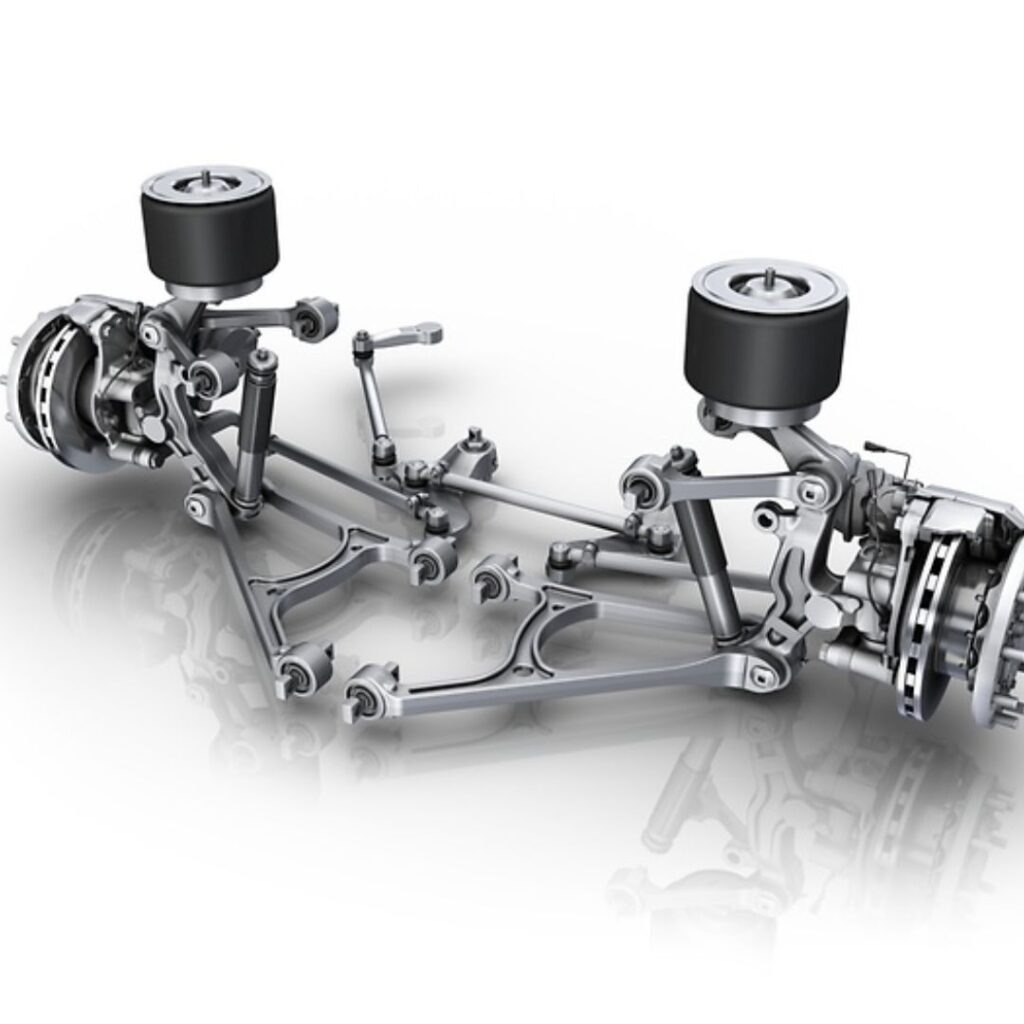
When a piece of heavy equipment goes down, everything around it slows down too. Crews wait. Deadlines slip. Projects stall. And often, the problem traces back to a component most operators rarely think about—until it fails: the axle.
ZF axles are known for durability and performance in construction, mining, agricultural, and industrial machines. They’re built to carry massive loads, handle punishing terrain, and keep power moving from the drivetrain to the ground. But even the toughest components wear out over time. When internal gears, bearings, or seals begin to fail, ignoring the signs can turn a manageable repair into a full shutdown.
That’s where ZF off-highway axle replacement becomes more than just a repair—it becomes a strategic decision. Knowing when to repair and when to replace can mean the difference between a short service window and repeated breakdowns that drain your budget. In many cases, timely Heavy equipment axle replacement protects not just the machine, but the entire operation.
Understanding ZF Off-Highway Axles in Heavy Equipment
ZF off-highway axles are the muscle behind the movement of some of the hardest-working machines on the planet. From wheel loaders and articulated dump trucks to graders and agricultural equipment, these axles transfer power from the transmission to the wheels, allowing heavy equipment to move massive loads across unpredictable terrain. Think of the axle like the foundation of a building—if it weakens, everything above it is affected.
Inside a ZF axle are gears, shafts, bearings, seals, and differential components working together under constant stress. Every time a machine carries a load of gravel, climbs a muddy incline, or pushes through compacted soil, the axle absorbs torque, weight, and shock. Over time, even a well-built system experiences wear. That’s when the conversation shifts from routine maintenance to whether ZF off-highway axle replacement is the smarter long-term solution.
There’s a big difference between minor service and full replacement. Small leaks or isolated component wear may be handled with professional ZF off-highway axle service, restoring performance without removing the entire unit. But when internal damage spreads—metal contamination, gear tooth wear, overheating damage, or structural cracks—a full Heavy equipment axle replacement can prevent repeated breakdowns and costly downtime.
At Precision Transmission, we’ve seen firsthand how quickly a minor issue can escalate. A faint noise ignored for weeks can turn into gear failure. A small leak can contaminate internal components. Understanding how ZF off-highway axles function—and recognizing when ZF off-highway axle replacement is necessary—helps equipment owners make confident, cost-effective decisions before problems spiral.
Signs You May Need ZF Off-Highway Axle Replacement
Heavy equipment rarely fails without warning. The signs are usually there — subtle at first, then impossible to ignore. The key is knowing what to listen for and what to look at before a minor issue turns into a major breakdown requiring full ZF off-highway axle replacement.
If your machine feels “different” lately, trust that instinct. Axle problems tend to show up in predictable ways.
Warning Noises
One of the earliest and most common signs of axle trouble is unusual noise.
Grinding. Clunking. Whining. Clicking during turns.
These sounds often point to worn gears, failing bearings, or internal misalignment inside the axle assembly. For example, a high-pitched whine that increases with speed may signal gear wear. A heavy clunk when shifting direction could indicate excessive backlash or damaged components.
Operators sometimes turn up the radio and keep working. That’s risky.
Ignoring these noises can lead to internal metal debris circulating through the housing, causing widespread damage. What might have been manageable through ZF off-highway axle service can quickly escalate into a situation where full Heavy equipment axle replacement becomes the only safe option.
If the sound wasn’t there before, it’s there for a reason.
Leaks
A small leak may not seem urgent — especially on heavy equipment that already works in dirt, mud, and rough conditions.
But axle fluid is critical. It lubricates gears and bearings, reduces heat, and prevents metal-on-metal contact. When seals fail or housings crack, fluid loss leads to overheating and accelerated wear.
You might notice:
- Oil around the wheel hubs
- Wet buildup near the differential
- Drips forming under parked equipment
Even slow leaks can contaminate internal components if dirt enters the housing. Left unaddressed, fluid loss often leads directly to ZF off-highway axle replacement, rather than a simple seal repair.
Vibration
Excessive vibration is another red flag.
While heavy equipment naturally produces some vibration, new or intensified shaking—especially under load—can indicate internal axle imbalance or component damage.
It might feel like:
- Shuddering during acceleration
- Uneven resistance when turning
- A pulsing sensation at certain speeds
Vibration typically means internal components are no longer aligned properly. Worn bearings or damaged gears may be shifting under torque. If not corrected quickly, that movement causes progressive damage that spreads throughout the assembly.
At that stage, repair may not be enough, and ZF off-highway axle replacement becomes the more reliable long-term solution.
Power Loss
If your machine struggles to push, pull, or climb like it used to, the axle could be the hidden cause.
Axles are responsible for delivering torque efficiently to the wheels. When internal components wear down, power transfer becomes inconsistent. Operators may notice:
- Reduced traction
- Delayed response
- Uneven pulling power
- Difficulty handling full loads
Power loss isn’t always a transmission issue. In many cases, the drivetrain is functioning properly, but internal axle wear is preventing smooth energy transfer. A thorough inspection can determine whether professional ZF off-highway axle service will restore performance or whether replacement is the smarter route.
Uneven Wear
Tire wear patterns can tell a story.
If you notice uneven tire wear, premature tread damage, or alignment issues that keep returning, the axle may be misaligned internally. Bent shafts, worn bearings, or differential problems can all affect how weight distributes across the wheels.
Think of it like walking with one shoe slightly off-balance — over time, your whole stride changes. Heavy equipment behaves the same way.
When internal alignment problems go untreated, stress increases across the entire system. In severe cases, that stress leads to structural damage requiring full Heavy equipment axle replacement rather than isolated repair.
Recognizing these warning signs early can prevent catastrophic failure. The difference between proactive maintenance and emergency shutdown often comes down to how quickly issues are addressed.
Common Causes of ZF Off-Highway Axle Failure
Axles don’t usually fail overnight. Most breakdowns are the result of accumulated stress, environmental conditions, or skipped maintenance. Understanding what causes failure helps equipment owners reduce risk—and recognize when ZF off-highway axle replacement becomes the smarter long-term investment.
Let’s break down the three most common causes we see in heavy equipment environments.
Heavy Loads and Continuous Overstress
Heavy equipment is built to carry weight. That’s its job. But even the toughest machines have limits.
When equipment consistently operates beyond its rated capacity—or regularly handles extreme loads without proper cooldown periods—internal components inside the axle absorb that strain. Gears mesh under higher pressure. Bearings endure added friction. Heat builds up faster than it can dissipate.
It’s similar to towing a trailer that’s just a little too heavy for your truck. You might get away with it for a while. But over time, parts wear faster than they should.
Continuous overstress can lead to:
- Gear tooth wear or chipping
- Bearing fatigue
- Shaft misalignment
- Differential damage
Once internal damage spreads, repairs become more complex. In these cases, a complete Heavy equipment axle replacement may provide better reliability than patching individual components. That’s why early evaluation is critical. A professional inspection can determine whether targeted ZF off-highway axle service is enough—or whether replacement prevents future downtime.
Harsh Terrain and Extreme Job Site Conditions
Off-highway machines rarely operate on smooth pavement. They work in mud, sand, rock, demolition debris, and uneven surfaces. Every bump and impact sends shock through the axle assembly.
Sudden impacts—like hitting a hidden rock or operating on unstable ground—create stress spikes inside the housing. Over time, those repeated shocks can weaken internal parts, damage seals, or even cause micro-fractures in components.
Environmental exposure adds another layer of risk:
- Water intrusion
- Dirt contamination
- Temperature extremes
- Corrosive materials
When contaminants enter the axle housing, lubrication breaks down. Metal particles can circulate through the system, accelerating wear dramatically.
In these environments, minor seal damage or overlooked maintenance can quickly turn into a situation requiring ZF off-highway axle replacement instead of routine service.
Lack of Preventive Maintenance and Fluid Neglect
Sometimes, failure isn’t caused by overload or terrain—it’s caused by neglect.
Axle fluid plays a crucial role in keeping internal components cool and lubricated. When fluid levels drop, become contaminated, or break down over time, friction increases. Heat rises. Wear accelerates.
Common maintenance issues include:
- Skipped fluid changes
- Ignored inspection schedules
- Overlooking small leaks
- Failing to monitor unusual noises
It’s easy to postpone maintenance when equipment appears to be running fine. But axle damage often progresses quietly. By the time symptoms become obvious, internal wear may already be extensive.
That’s why routine ZF off-highway axle service is so important. Preventive care can extend axle life significantly. However, if fluid neglect has already caused internal damage, a full ZF off-highway axle replacement may be necessary to restore performance and protect the rest of the drivetrain.
Axle failure is rarely random. It’s usually the result of stress, environment, or maintenance gaps stacking up over time. The good news? When addressed early and handled by experienced professionals, the right solution—whether repair or replacement—can restore reliability and keep your equipment working the way it should.
The Process of Heavy Equipment Axle Replacement
When an axle reaches the point where repair is no longer the most reliable option, a structured and thorough replacement process becomes critical. A proper Heavy equipment axle replacement isn’t just about swapping parts. It’s about restoring performance, protecting the drivetrain, and preventing repeat failures.
Here’s what the process typically looks like:
- Inspection
Every successful ZF off-highway axle replacement begins with a detailed inspection. Technicians evaluate the axle assembly, surrounding drivetrain components, fluid condition, and visible damage. This step confirms whether replacement is truly necessary or if professional ZF off-highway axle service could resolve the issue. A careful inspection prevents unnecessary work and ensures the correct solution from the start.
- Diagnosis
Once inspected, the root cause of failure is identified. Was it overload? Contamination? Bearing collapse? Misalignment? Understanding why the axle failed is just as important as replacing it. Without proper diagnosis, the same issue could return. At this stage, technicians also check connected systems to ensure the transmission, driveshaft, and differential components are not contributing to the problem.
- Removal
Removing an off-highway axle is no small task. These components are heavy, integrated into complex systems, and often exposed to harsh working conditions. Careful removal protects surrounding parts and ensures nothing else is damaged during disassembly. Precision matters here—especially when dealing with high-value construction or agricultural equipment.
- Rebuild or Replacement
Depending on the condition of the axle, technicians may install a fully remanufactured unit or replace it with a new assembly. In severe cases where internal damage is widespread, full ZF off-highway axle replacement provides the most dependable long-term solution. Choosing the right option depends on equipment usage, budget considerations, and long-term reliability goals.
- Testing and Quality Control
Before the machine returns to service, the new or remanufactured axle undergoes testing to confirm proper alignment, fluid levels, torque settings, and smooth operation. This final stage ensures the equipment is ready to return to demanding job site conditions with confidence.
A professional replacement process reduces downtime and protects your investment. When performed correctly, heavy equipment axle replacement restores torque transfer, improves reliability, and helps prevent future breakdowns.
Choosing the Right Shop for ZF Off-Highway Axle Replacement
When your equipment is down, you don’t just need a repair—you need confidence. The shop you choose for zf off-highway axle replacement can determine whether your machine runs reliably for years or ends up back in the bay months later.
Not every repair facility understands the complexity of off-highway drivetrain systems. ZF axles are engineered for high torque, extreme loads, and demanding environments. Servicing or replacing them requires experience, proper tools, and a deep understanding of how axles interact with transmissions, differentials, and the rest of the drivetrain.
Here’s what to look for when selecting a provider:
- Proven experience with ZF components
- Specialized knowledge in drivetrain systems
- Thorough diagnostic procedures
- Clear communication about repair vs. replacement
- Quality control and testing before return to service
A proper heavy equipment axle replacement isn’t just about installing parts—it’s about restoring performance and preventing repeat failures. That’s why working with a shop that understands both replacement and ZF off-highway axle service options is critical. The right team will help you decide whether a full replacement is necessary or whether targeted service can extend your axle’s life safely and cost-effectively.
At Precision Transmission, we specialize in drivetrain solutions for heavy-duty and off-highway equipment. Our technicians understand the demands placed on ZF axles in construction, agricultural, and industrial environments. Whether you need expert diagnostics, professional ZF off-highway axle service, or a complete ZF off-highway axle replacement, we focus on long-term reliability—not temporary fixes.
With locations in both Pennsylvania and Florida, we’re positioned to support fleets and independent operators with dependable turnaround times and expert service.
Colmar, PA
Fort Myers, FL
If your equipment is showing signs of axle failure, don’t wait for a complete breakdown. Contact Precision Transmission today to schedule an inspection and get honest guidance on the best path forward. The right decision now can save you significant downtime, expense, and frustration later.