
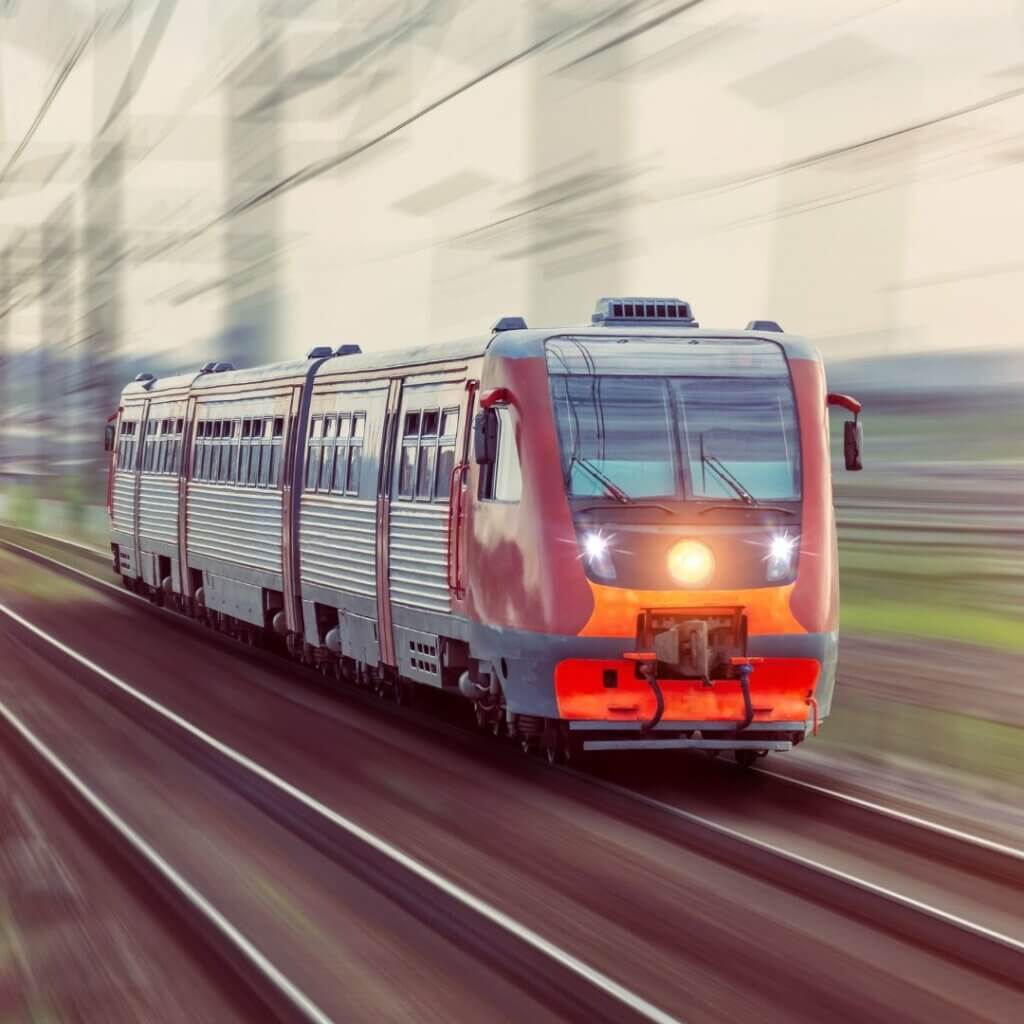
When rail equipment grinds to a halt, it’s rarely just a minor inconvenience. Whether you’re running a short-line locomotive, maintaining transit rails, or supporting construction with specialty rail gear, downtime hits hard—and often hits your bottom line even harder. One of the most overlooked yet vital components that keeps these machines rolling? The transmission system.
Rail equipment transmission repair isn’t just about fixing what’s broken. It’s about restoring the beating heart of your rail machine with precision, care, and reliability. At Precision Transmission, we know what’s on the line when a rail unit is down. That’s why we bring decades of experience, specialized tools, and a hands-on approach to every job we take on.
Understanding the Importance of Rail Transmission Systems
If a rail vehicle is the body, then its transmission is the backbone—it keeps everything in sync, moving, and working together. Without a reliable transmission, even the most powerful locomotive or rail maintenance machine can’t deliver. It’s not just a part; it’s the core of your rail equipment’s performance.
That’s why rail equipment transmission repair isn’t something you can leave to chance. It’s a specialty. Whether you’re dealing with mechanical drive issues, slipping gears, or inconsistent power transfer, every second counts when that machine is down.
Take a moment to think about how your rail equipment operates day in and day out. These systems face immense stress, unpredictable weather, and constant pressure to perform. And unlike highway trucks, rail machines can’t just pull over when something’s wrong. They’re part of a bigger system, and every delay can ripple across entire operations.
At Precision Transmission, we get it. We’ve spent years helping crews and companies stay ahead of transmission failures. We’ve rebuilt, repaired, and customized systems for all kinds of rail vehicles, from high-torque maintenance units to hardworking locomotives. And we’ve seen firsthand how proper care of the transmission can mean the difference between a minor fix and a major setback.
It’s more than performance—it’s safety. When a rail unit’s transmission starts to wear down, stopping power, load handling, and speed control can all be affected. That’s a risk no operator should ever take.
Precision brings the experience and know-how to catch problems before they cascade. We don’t just swap parts—we rebuild systems with OEM-level precision, getting them back to spec or even better.
Common Rail Transmission Issues and How to Spot Them
When it comes to rail equipment transmission repair, early detection can save time, money, and a major operational headache. Rail transmissions work hard under harsh conditions, and like any high-demand mechanical system, they send out signals when something’s wrong. You just have to know what to look—and listen—for.
1. Strange Noises or Vibration
If your rail equipment starts grinding, whining, or vibrating more than usual, don’t ignore it. These are early indicators of worn gears, damaged bearings, or even misalignment within the transmission. Left unchecked, that small rattle could turn into a full system failure. Think of it like a small creak in a bridge—sure, it may hold up today, but how long can you trust it?
2. Shifting Issues
One of the clearest signs of transmission trouble is poor or delayed shifting. In rail vehicles, that could mean struggling to move between gears, hesitation under load, or outright gear slippage. These problems can stem from worn clutch packs, damaged synchronizers, or fluid problems—each of which can snowball into bigger issues without timely rail equipment transmission repair.
3. Leaking or Dirty Transmission Fluid
Transmission fluid is the lifeblood of your system. If you’re spotting leaks under the unit or seeing unusually dark or burnt-smelling fluid during maintenance checks, your transmission might be in distress. Contaminated fluid can destroy components from the inside out, leading to costly downtime and rebuilds.
4. Overheating
Rail operations put constant strain on transmission components. Overheating can cause seals to fail, fluid to degrade, and internal damage to build up quickly. If your transmission’s running hot, it’s time to bring it in before the heat warps something vital.
5. Loss of Power or Torque
When you notice reduced pulling power or inconsistent performance under normal conditions, it could mean something deeper is wrong. This might be tied to slipping clutches, pressure loss, or gear train failures—all of which call for professional diagnosis and specialized repair.
Trust Your Gut—and Your Operators
Operators often know their machines better than anyone. If they say something “feels off,” trust that instinct. A subtle change in how a machine drives or handles can point to underlying transmission trouble. Getting ahead of it with rail equipment transmission repair can prevent missed deadlines and extended downtime.
At Precision Transmission, we specialize in diagnosing these issues fast and accurately. Our team doesn’t just run a checklist—we dive into the system, isolate the cause, and offer a plan to get your unit back on track, reliably and affordably.
OEM-Quality Parts and Custom Rebuilds
Not all transmission repairs are created equal. When you’re dealing with heavy-duty rail equipment, you can’t afford shortcuts. That’s why at Precision Transmission, we stick to a simple but powerful standard: OEM-quality parts and precision-driven custom rebuilds. It’s the only way to ensure long-term reliability and performance.
Why OEM Quality Matters
Imagine trying to run a marathon in knockoff shoes. Sure, they might look the part—but how long before they give out and leave you limping? The same logic applies to your rail transmission. On paper, aftermarket parts might claim to “fit,” but in practice, they often don’t hold up under the intense pressure and load demands of rail operations.
Aftermarket components can be unpredictable. Materials are sometimes cheaper, tolerances are looser, and quality control isn’t always consistent. That means even a brand-new aftermarket gear or seal can wear out prematurely—or worse, fail altogether and damage other parts of your transmission.
And here’s the thing: when a rail vehicle goes down due to part failure, you’re not just replacing a component—you’re dealing with ripple effects. Delays, lost productivity, operator safety risks, and costly re-repairs all stack up fast.
That’s why every rail equipment transmission repair at Precision Transmission starts with OEM-quality components. If the original manufacturer parts are available, we use them. When they’re not, we engineer replacements that match or exceed those specs in every way. No shortcuts, no compromise—just parts that work as hard as your equipment does.
With the right parts and the right expertise, you get reliability you can count on. And when you’re working in rail, that’s non-negotiable.
Serving a Range of Rail Equipment Types
From cross-country locomotives to rail-bound maintenance units, one size never fits all in the world of transmission repair. That’s why rail equipment transmission repair at Precision Transmission is always tailored to the specific type of machinery we’re working on. We don’t believe in cookie-cutter solutions—because your equipment isn’t cookie-cutter.
Locomotives: Power Meets Precision
Locomotives are the workhorses of the rail world, pulling heavy loads over long distances, often in tough environments. Their transmissions handle immense torque and constant pressure, and when something goes wrong, there’s no time to waste. Our team specializes in diagnosing and rebuilding locomotive transmissions with pinpoint accuracy, getting them back in action fast—without cutting corners.
Maintenance-of-Way Vehicles: Built for the Grind
These specialized units handle critical track upkeep, from grinding and welding to vegetation control and inspection. Their transmissions often operate under stop-start conditions with varying loads, which puts a unique kind of stress on the system. At Precision, we understand these challenges and offer rebuilds that account for this kind of wear and tear—keeping your MOW equipment reliable and efficient.
Rail Support Equipment: Small but Mighty
Support equipment might not be pulling freight, but it’s just as vital to keeping rail operations running. Whether it’s a hi-rail truck, utility crane, or track inspection vehicle, we offer rail equipment transmission repair services designed to handle these vehicles’ specialized roles. We ensure your support units get the same level of precision and attention as your frontline machines.
Custom, Vintage, and Hard-to-Find Units
Sometimes, you’re dealing with legacy rail equipment or unique builds where parts are scarce and tech specs are hard to come by. That’s where we really shine. We reverse-engineer components, custom-machine hard-to-find parts, and restore rare transmission systems to peak condition. If it moves on rails, chances are—we’ve worked on it.
Precision Transmission’s Approach to Rail Equipment Transmission Repair
At Precision Transmission, we don’t just repair transmissions—we restore confidence. Every project starts with a deep inspection and a straight answer. We’ll tell you what’s wrong, what it needs, and how fast we can get it done.
Whether it’s a locomotive, a maintenance vehicle, or specialty rail gear, our team brings hands-on experience, OEM-quality parts, and expert craftsmanship to every rebuild. We don’t rush it, but we don’t drag our feet either. Our focus is on doing it right—once.
And because we know rail equipment rarely works a 9-to-5 schedule, we offer fast turnaround times and dependable service that helps you stay on track, on time, and on budget.
If your rail unit is down, or just not running like it used to, don’t wait for it to get worse. Precision Transmission is your trusted partner for rail equipment transmission repair. Reach out today to talk to our team, request a quote, or schedule service. We’re here to help you move forward—without delays.
Contact Us Now to get your rail transmission back in action.