
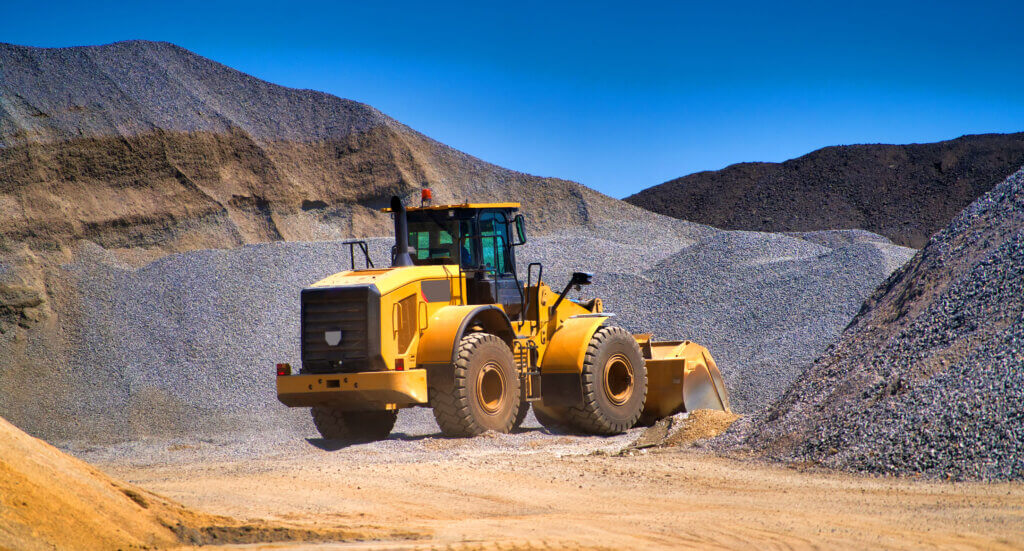
A transmission failure on a crane, wheel loader, or vocational truck doesn’t just mean a repair bill — it means that unit sits idle while the job it was scheduled for gets pushed, rescheduled, or reassigned to something already stretched thin. Picking from the most reliable heavy-duty transmission brands up front is one of the few decisions that actually reduces how often you’re in that position. This isn’t about brand loyalty; it’s about which manufacturers build units that hold up to the specific duty cycle your equipment runs.
Why The Transmission Duty Cycle Determines Reliability More Than the Nameplate
A transmission that’s bulletproof in one application can fail early in another, because “reliable” only means something relative to the load and cycle it’s handling. Construction and off-highway equipment run powershift transmissions through constant stop-and-go cycles — high torque at low speed, frequent directional changes, and clutch packs engaging and disengaging all day under load. On-highway vocational trucks and buses, by contrast, run automatic or automated-manual transmissions built around sustained highway speeds, smoother shift patterns, and long intervals between gear changes.
That’s why the strongest heavy-duty transmission manufacturers don’t build one universal unit — they build separate platforms engineered around specific duty cycles. A brand’s reliability reputation only holds if the unit is actually matched to the right application in the first place.
The Most Reliable Heavy-Duty Transmission Brands for Off-Highway and Vocational Equipment
These are the brands that hold up consistently across construction, crane, and material handling applications — the ones we see come through our shop with the fewest premature failures when they’re properly maintained.
ZF Off-Highway
ZF is the deepest area of expertise in our shop, and it’s also one of the most reliable heavy-duty transmission brands for construction, mining, and agricultural equipment. The Ecomat and Ecolife lines are common in wheel loaders and mixers, TC Tronic and Traxon show up across construction and vocational platforms, and the EP and 4WG98 lines cover a wide range of off-highway equipment. As a ZF Off-Highway distributor, we have direct access to OEM-level parts, documentation, and software support for this platform specifically — which matters as much for long-term reliability as the hardware itself, since a unit is only as reliable as your ability to get it serviced correctly.
Allison
Allison transmissions are a standard in vocational trucks, buses, and material handling equipment where smooth, automatic shifting under variable loads matters more than raw torque at a crawl. Their fully automatic platforms are built for high-cycle applications — stop-and-go transit routes, refuse trucks, and similar duty — where manual or powershift units would wear faster.
Dana/Spicer
Dana and Spicer have built their reputation primarily on axles and drivetrain components rather than the transmission case itself, and that reputation is earned — their components hold up in extreme environments where vibration and heavy loads are constant. When a Dana or Spicer drivetrain is paired with the right transmission for the application, the combination is one of the more durable setups in off-highway equipment.
Funk
Funk transmissions are common in construction and agricultural equipment that needs to handle high torque at low speeds without excessive heat buildup. They’re a frequent pairing alongside ZF units in mixed-brand equipment fleets, and their powershift design holds up well under the stop-and-go cycles construction work demands.
Twin-Disc, Clark, AxleTech, Carraro, and Liebherr
Beyond the higher-volume names, several manufacturers dominate specific niches. Twin-Disc is a marine and industrial standard for gearboxes and clutches. Clark and Carraro show up frequently in material handling and construction axle and transmission assemblies. AxleTech is a common name in off-highway axle systems. Liebherr transmissions are engineered specifically for cranes and other heavy-lift equipment, where reliability under sustained high loads is non-negotiable. If your equipment runs one of these, brand-specific service experience matters — these platforms don’t get the volume of generic aftermarket support that ZF or Allison do.
Recognizing Whether Your Transmission Is Matched to Its Duty Cycle
Your equipment came from the OEM with a specific transmission already spec’d to its intended application — but how that equipment actually gets used in the field doesn’t always match the original assumption. That’s why two pieces of the same brand and model can have very different reliability track records: the duty cycle it’s actually run through, not the nameplate, is what determines wear.
How Duty Cycle Drift Happens
Equipment gets reassigned, sold, or repurposed over time, and the transmission rarely gets reconsidered when that happens. A wheel loader originally spec’d for occasional light grading and later run in constant heavy stop-and-go yard work is now working well outside the cycle it was built for — same unit, same brand, but a much harder job than it was designed to absorb.
Signs the Transmission Is Being Overworked for Its Spec
Watch for wear or failures that show up earlier than the brand’s track record would suggest — clutch packs going out well ahead of typical service life, recurring overheating despite normal fluid and cooler maintenance, or fault codes that keep returning after a repair. Any of these showing up faster or more often than expected is a signal worth investigating before assuming the unit itself is simply bad.
What to Do When Application and Spec Don’t Match
If the duty cycle has drifted from what the transmission was originally built for, that’s a conversation about the whole equipment setup, not just a repair. Confirming the mismatch with a shop that can pull the unit’s actual spec and compare it against how it’s being run is the first step — from there, the options are usually adjusting how the equipment is used, or planning for a unit built for the heavier cycle when this one reaches end of life.
How Remanufacturing Quality Affects Transmission Reliability
Even the most reliable heavy-duty transmission brands fail early when they’re rebuilt with shortcuts — reused wear parts, no load testing, no verification against factory tolerances. A remanufactured OEM unit that’s fully disassembled, rebuilt with new wear components, and tested to factory spec will outperform a “quick rebuild” of the same brand every time. Every unit we remanufacture goes through load testing on one of our three in-house dynamometers before it ships, and it carries a 1-year, unlimited-hours warranty — because the brand name on the case is only half of what determines whether that unit is still running a year from now.
Minimizing Downtime Regardless of Brand
A few transmission maintenance habits apply across every brand on this list:
- Fluid changes on schedule, not by feel. Off-highway duty cycles put more heat and contamination into the fluid than the manufacturer’s default passenger-vehicle intervals assume.
- Cooler line inspection. Restricted or leaking cooler lines are a leading cause of overheating-related clutch pack failure, and they’re easy to miss during a routine walk-around.
- Fault code follow-up. Don’t let an intermittent TCU fault code go unaddressed — it’s often the earliest warning sign before a harder failure.
- Parts availability before you need it. Confirm your service provider actually has access to parts for your specific brand and model line, not just a generic claim of “we service that brand.”
Frequently Asked Questions
What is the most reliable heavy-duty transmission brand for construction equipment?
ZF Off-Highway and Funk are consistently the strongest performers for construction equipment’s stop-and-go, high-torque duty cycle. Both are engineered specifically for powershift applications rather than adapted from on-highway platforms.
Is Allison or ZF better for vocational trucks?
It depends on the route profile. Allison’s fully automatic platforms tend to hold up best on high-cycle, stop-and-go routes, while ZF’s automated-manual lines (AS Tronic, Traxon) are strong on sustained-speed vocational and transit applications.
Does a remanufactured transmission perform as well as a new one from the same brand?
Yes, when it’s done right. A properly remanufactured unit is fully disassembled, rebuilt with new wear components, and tested to factory spec — which is why we load-test every unit on an in-house dynamometer before it ships, backed by a 1-year, unlimited-hours warranty.
Need Help Confirming Your Transmission Is Right for the Job?
If you’re seeing wear or failures that don’t match your transmission’s brand reputation, send us the make, model, and what it’s telling you — fault codes, symptoms, hours or mileage — and we’ll help you figure out whether the duty cycle has outgrown the spec, or whether it’s a repair, rebuild, or remanufactured exchange situation. Reach us at Colmar, PA — 215-822-8300 or Fort Myers, FL — 888-343-8912, or start with our contact page.