
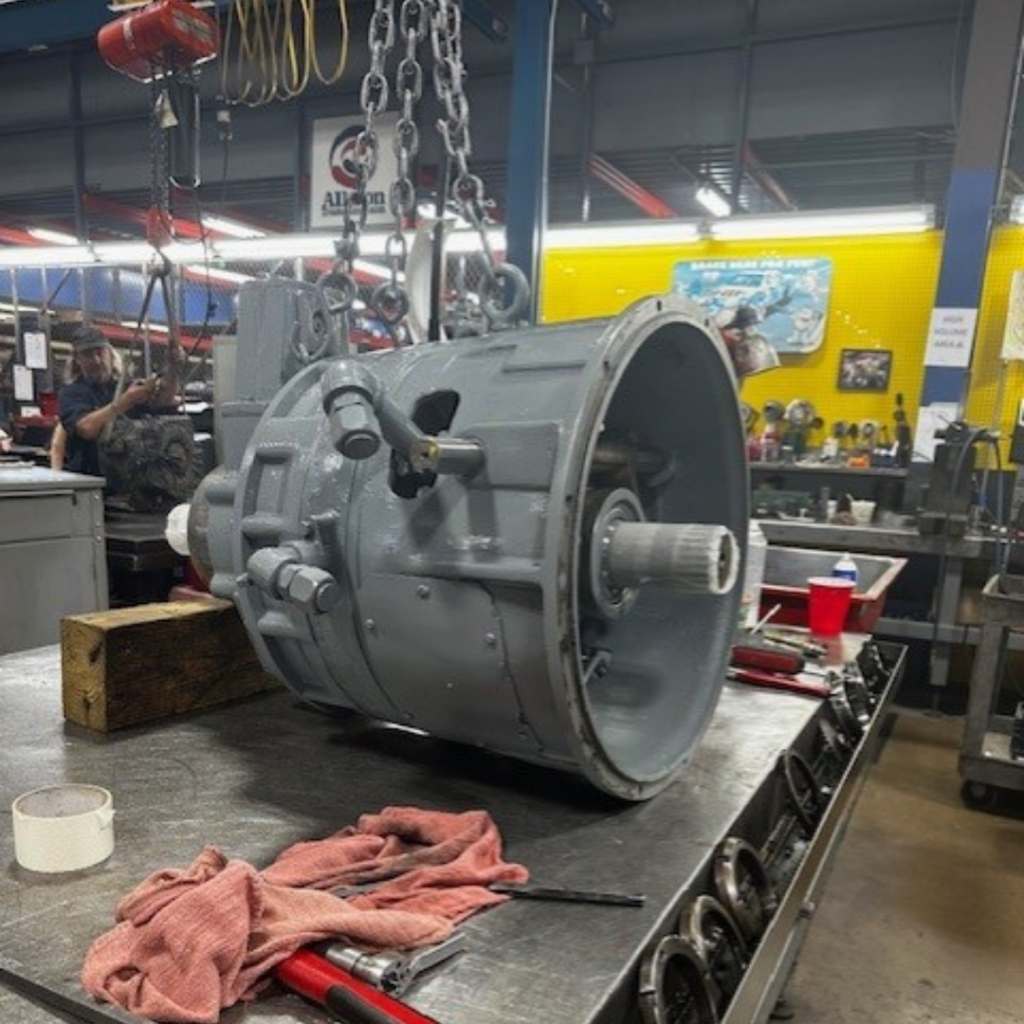
If you’ve ever wondered how massive trucks and commercial vehicles handle extreme loads day after day, the answer lies in their transmission systems. Understanding how heavy-duty transmissions work is key to apprecgoiating the power, durability, and engineering behind these machines.
Unlike standard vehicle transmissions, heavy-duty systems are specifically designed to manage higher torque, heavier loads, and longer operating hours. Whether used in semi-trucks, construction equipment, or industrial vehicles, these transmissions play a critical role in transferring power efficiently while maintaining performance under stress.
How Heavy-Duty Transmissions Work (Step-by-Step)
To fully understand how heavy-duty transmissions work, it helps to break the process down into clear stages. These systems are engineered to handle extreme torque and continuous operation, making each step in the power transfer process critical to performance and durability.
Power Transfer from Engine to Transmission
The process begins with the engine generating power through combustion. This power is then transferred to the transmission via the crankshaft. In manual systems, a clutch connects and disconnects the engine from the transmission, while automatic systems rely on a torque converter to manage this connection.
At this stage, the transmission receives rotational energy and prepares to distribute it efficiently. A key part of how heavy-duty transmissions work is their ability to handle significantly higher torque levels without slipping or overheating, which is essential for large trucks and commercial vehicles.
Gear Engagement and Shifting Process
Once power enters the transmission, it moves through a series of gears. These gears are responsible for adjusting speed and torque depending on driving conditions. In heavy-duty systems, gears are larger, stronger, and designed to withstand constant stress.
Shifting can occur manually, automatically, or through automated manual systems. Regardless of the type, smooth gear engagement is crucial. Poor shifting can lead to wear, overheating, and eventually the need for heavy-duty transmission repair.
Understanding gear engagement is a major part of learning how heavy-duty transmissions work, as it directly impacts vehicle efficiency and longevity.
Torque Distribution and Load Handling
Heavy-duty transmissions are built to distribute torque evenly across the drivetrain. This ensures that power is delivered consistently to the wheels, even under heavy loads or steep inclines.
Unlike standard transmissions, these systems are reinforced to prevent damage under extreme pressure. Components such as planetary gear sets and heavy-duty shafts play a key role in maintaining balance and preventing failure.
This ability to manage high loads is central to how heavy-duty transmissions work, especially in industries like construction, logistics, and agriculture.
How Different Gear Ratios Affect Performance
Gear ratios determine how much torque is delivered relative to speed. Lower gears provide more torque for heavy lifting or climbing, while higher gears allow for efficient cruising at higher speeds.
In heavy-duty vehicles, gear ratios are carefully engineered to optimize both power and fuel efficiency. Choosing the right ratio at the right time helps reduce strain on the engine and transmission.
A solid understanding of gear ratios adds another layer to understanding how heavy-duty transmissions work, especially when it comes to maximizing performance and minimizing wear.
Types of Heavy-Duty Transmissions
To better understand how heavy-duty transmissions work, it’s important to look at the different types available. Each transmission type is designed to meet specific performance needs, driver preferences, and operational demands in commercial and industrial settings.
Manual Heavy-Duty Transmissions
Manual transmissions are one of the most traditional and widely used systems in heavy-duty vehicles. They require the driver to manually shift gears using a clutch pedal and gear stick.
These systems are known for their durability, simplicity, and control. Drivers can select the exact gear needed for specific conditions, such as hauling heavy loads uphill or navigating rough terrain.
Manual systems play a foundational role in understanding how heavy-duty transmissions work, as they clearly demonstrate the direct relationship between engine power, gear selection, and torque output.
Automatic Heavy-Duty Transmissions
Automatic transmissions handle gear shifting without driver input, using hydraulic systems and advanced controls to determine the best gear for the situation.
These systems rely heavily on torque converters and electronic controls to ensure smooth transitions between gears. They are especially popular in modern fleets because they reduce driver fatigue and improve ease of operation.
However, because of their complexity, automatic systems often require specialized heavy-duty transmission repair when issues arise. Still, they are a key part of how modern fleets operate efficiently.
Automated Manual Transmissions (AMTs)
Automated Manual Transmissions (AMTs) combine the strength of manual systems with the convenience of automation. They use a traditional manual gearbox but automate the clutch and shifting process through electronic controls.
AMTs are increasingly popular in commercial fleets because they offer improved fuel efficiency and reduce driver error. They also help extend the lifespan of transmission components by optimizing shift timing.
When discussing how heavy-duty transmissions work, AMTs represent a modern evolution that balances performance, efficiency, and ease of use.
Which Type Is Best for Different Applications
The best transmission type depends on how the vehicle is used. For example:
- Manual transmissions are ideal for experienced drivers who need maximum control.
- Automatic transmissions are better for urban driving and reducing driver fatigue.
- AMTs are often the preferred choice for fleets focused on efficiency and consistency.
No matter the type, proper maintenance and regular heavy-duty transmission service are essential to ensure long-term performance and reliability.
Choosing the right system—and maintaining it properly—is a big part of fully understanding how heavy-duty transmissions work in real-world applications.
Common Problems and Maintenance Tips
Even when you understand how heavy-duty transmissions work, it’s just as important to know what can go wrong and how to prevent costly breakdowns. Heavy-duty systems are built for durability, but constant stress, high loads, and long operating hours can still lead to wear over time.
Signs of Transmission Wear or Failure
Recognizing early warning signs can save you from major repairs or downtime. Some of the most common indicators include:
- Difficulty shifting gears
- Grinding or unusual noises
- Slipping gears under load
- Delayed engagement
- Transmission overheating
These symptoms often signal internal wear or damage. Ignoring them can quickly escalate into serious issues requiring full heavy-duty transmission repair.
Understanding these warning signs is an important part of knowing how heavy-duty transmissions work, because it helps you identify when something isn’t functioning as it should.
Importance of Regular Heavy-Duty Transmission Service
Routine heavy-duty transmission service is essential to keep your system running efficiently. Regular inspections can catch small issues before they become major problems, helping you avoid unexpected breakdowns and costly repairs.
Professional service typically includes checking for leaks, inspecting internal components, monitoring temperature performance, and ensuring proper operation under load.
Staying consistent with maintenance is one of the smartest ways to protect your investment and extend the lifespan of your transmission.
Fluid Checks and Replacement
Transmission fluid plays a critical role in cooling, lubrication, and smooth operation. Over time, fluid can break down, become contaminated, or lose its effectiveness.
Regular fluid checks and timely replacement help:
- Prevent overheating
- Reduce friction between components
- Maintain smooth gear shifts
Neglecting fluid maintenance is one of the fastest ways to damage a transmission, especially in heavy-duty applications where systems operate under constant stress.
Preventative Maintenance Tips for Longevity
Taking a proactive approach can significantly extend the life of your transmission. Here are a few key tips:
- Schedule routine heavy-duty transmission maintenance inspections and servicing
- Avoid overloading beyond recommended limits
- Monitor transmission temperature regularly
- Address small issues before they worsen
- Work with experienced professionals for maintenance and repairs
When you combine these practices with a solid understanding of how heavy-duty transmissions work, you can reduce downtime, improve performance, and get the most out of your equipment.
When to Repair or Replace a Heavy-Duty Transmission
Knowing how heavy-duty transmissions work is essential, but knowing when to repair or replace one is just as important. Making the right decision at the right time can save you thousands of dollars and prevent unexpected downtime.
Cost vs Replacement Considerations
One of the biggest factors in deciding whether to repair or replace a transmission is cost. Minor issues—such as worn seals, sensors, or fluid leaks—can often be resolved with targeted repairs.
However, if there is extensive internal damage, such as worn gears or a failing torque converter, replacement may be the more cost-effective long-term solution.
A professional inspection is key to determining the best course of action. Understanding how heavy-duty transmissions work helps you better evaluate whether a repair will hold up under future demands or if a full replacement is necessary.
Warning Signs You Shouldn’t Ignore
Some transmission issues require immediate attention. Ignoring these signs can lead to complete system failure:
- Persistent slipping between gears
- Burning smells or overheating
- Loud grinding or clunking noises
- Loss of power while under load
- Fluid leaks or contamination
These symptoms often indicate serious internal damage and may require urgent heavy-duty transmission repair. Acting quickly can prevent further damage and reduce repair costs.
Benefits of Professional Transmission Repair Services
Working with experienced technicians ensures that your transmission is properly diagnosed and repaired using the right tools and expertise. Heavy-duty systems are complex, and even small mistakes can lead to bigger issues down the road.
Professional heavy-duty transmission service offers:
- Accurate diagnostics
- High-quality parts and repairs
- Improved reliability and performance
- Reduced risk of repeat failures
When you rely on experts, you not only fix the problem—you also protect the long-term performance of your vehicle.
Having a clear understanding of how heavy-duty transmissions work allows you to make informed decisions and work more effectively with service professionals to keep your equipment running at its best.
Need Reliable Heavy-Duty Transmission Service? We Can Help
When it comes to fully understanding how heavy-duty transmissions work, having the right team to maintain and repair your system is just as important as the knowledge itself. At Precision Transmission, we specialize in keeping heavy-duty vehicles running at peak performance—whether you need diagnostics, maintenance, or full repairs.
Our experienced technicians understand the demands placed on commercial and industrial transmissions. From routine heavy-duty transmission service to complex heavy-duty transmission repair, we provide solutions designed to minimize downtime and maximize reliability.
If you’re experiencing transmission issues or want to stay ahead with preventative maintenance, don’t wait until small problems become major repairs. Let our experts help you keep your equipment performing at its best.
Colmar, Pennsylvania
215-822-8300
Fort Myers, Florida
888-343-8912
Now that you understand how heavy-duty transmissions work, the next step is making sure yours is properly maintained. Trust Precision Transmission for reliable service, expert repairs, and long-term performance you can count on.
Call today or schedule your service with Precision Transmission and keep your heavy-duty transmission running strong.