
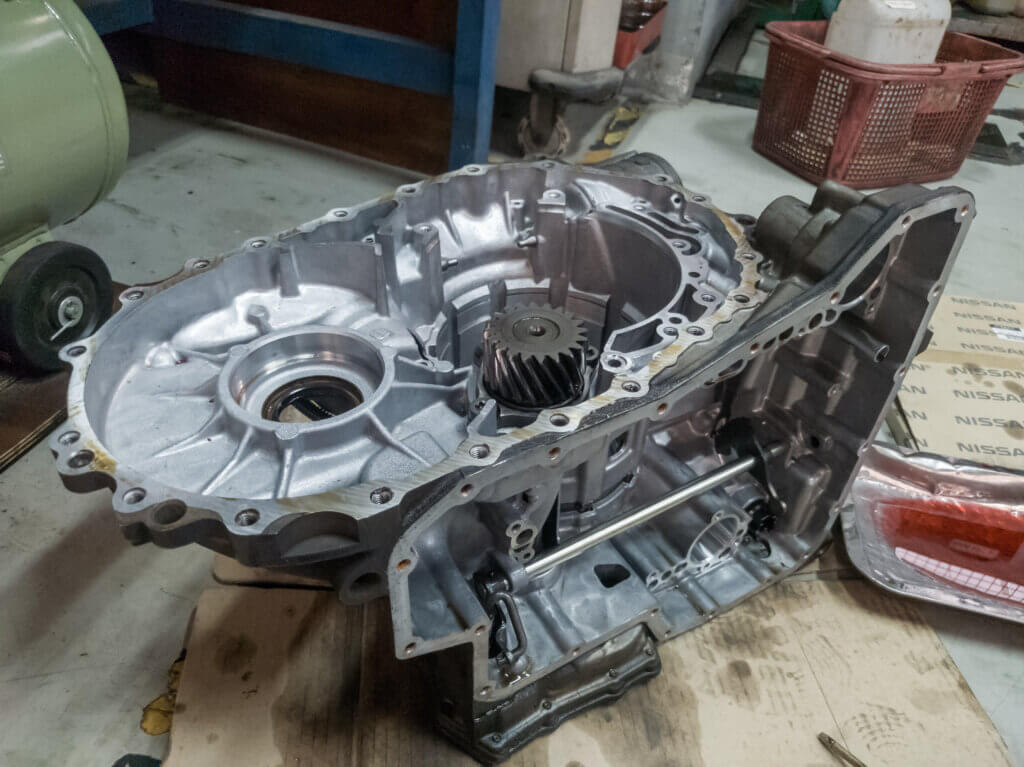
If your transmission is the heart of your vehicle, then the transmission housing is the armor that protects it. But when that armor cracks, corrodes, or suffers damage, your vehicle’s performance—and safety—can quickly go downhill. That’s where transmission housing replacement services come into play. Whether you’re operating a heavy-duty truck, a piece of construction equipment, or specialized ground support machinery, ignoring housing damage isn’t just risky—it can lead to costly breakdowns and downtime.
At Precision Transmission, we’ve seen it all: busted housings from off-road jobs, cracked cases from impact damage, and corroded units worn down by years of tough conditions. We specialize in helping hard-working machines get back on the road or job site fast, with reliable transmission housing replacement services designed to go the distance.
What Is a Transmission Housing and Why It Matters
Most people never think about their vehicle’s transmission housing—until something goes wrong. But if you’ve ever dealt with a damaged one, you know how critical it really is. Simply put, the transmission housing is the outer shell that holds the transmission components in place. Think of it like the tough, protective casing on a smartphone. Without it, all the delicate parts inside are exposed to the elements, damage, and debris.
But this isn’t just any old metal casing. The transmission housing is built to handle intense stress. In heavy-duty vehicles, construction machinery, and ground support equipment, it’s regularly exposed to extreme heat, vibration, pressure, and heavy loads. Over time, even the strongest housing can wear down or crack—especially if the equipment is pushed to its limits every day.
That’s why transmission housing replacement services are so important. A compromised housing doesn’t just put your transmission at risk; it can cause leaks, misalignment, gear slippage, and even full-on system failure. And when you’re running a business where every hour of downtime matters, that’s not a risk you can afford.
Let’s look at it this way: If your transmission is a high-performance engine room, the housing is the hull of the ship. When the hull is damaged, it doesn’t matter how good the engine is—it’s going to sink. That’s why catching damage early and getting the right replacement is critical to protecting your equipment and extending its life.
Common Signs You Need Transmission Housing Replacement
The transmission housing isn’t something you can usually see—but when it starts to fail, your vehicle or equipment will definitely let you know. Recognizing the early warning signs can save you from serious repairs, extended downtime, or even full transmission failure. If you’re noticing any of the following symptoms, it might be time to consider professional transmission housing replacement services.
1. Fluid Leaks That Won’t Go Away
One of the most common and obvious red flags is a persistent transmission fluid leak. A cracked or broken housing can cause fluid to seep out slowly or even pour out in larger quantities. If you’re constantly topping off transmission fluid or seeing puddles under your equipment, don’t just blame it on a worn gasket—it could be the housing itself.
2. Grinding or Rattling Noises
Strange sounds coming from your transmission area—like grinding, knocking, or rattling—could point to a structural issue. The housing holds all the internal gears and components in alignment. If it’s cracked or warped, parts may shift or rub where they shouldn’t, leading to increased wear and expensive internal damage.
3. Visible Damage from Impact
Heavy-duty vehicles and construction equipment don’t always have an easy life. If your equipment has taken a serious hit—whether from a collision, rollover, or being bottomed out—the transmission housing may have suffered damage. Even if the machine is still running, any impact can compromise the structural integrity of the case.
We’ve had clients come in after a routine inspection caught a hairline crack caused by an impact that happened months earlier. It’s one of those “out of sight, out of mind” problems until the transmission suddenly fails under load.
4. Poor Shifting or Slipping Gears
When the housing is damaged, internal components may not stay properly aligned. That can lead to shifting issues, gear slippage, or hesitation when accelerating. While these symptoms can also be caused by other transmission problems, a cracked or misaligned housing is often the root cause in heavy-use vehicles.
5. Strange Vibrations or Performance Loss
If your equipment suddenly feels rougher, vibrates more under load, or loses torque and power, don’t ignore it. These issues may point to a warped housing that’s throwing off the balance of your transmission system.
6. Warning Lights or Diagnostic Codes
Modern vehicles and machines often have transmission-related sensors. A failing housing can trigger diagnostic trouble codes that show up during maintenance scans or light up your dashboard. While these codes might not directly say “housing problem,” they’re often an early clue that something inside is no longer sitting right.
If you’re noticing any of these signs, it’s time to get a proper inspection—and fast. At Precision Transmission, we don’t just look for the obvious. Our team digs deep to find the root of the problem and gives you real answers. Whether the issue calls for full transmission housing replacement services or expert repair, you’ll get a clear plan and fast turnaround so you can get back to business.
Expert Repair Solutions for Damaged or Cracked Housings
Not every damaged transmission housing needs a full replacement. In many cases, expert-level repairs can restore integrity and extend the life of your equipment without the higher cost of a complete swap. At Precision Transmission, we’ve developed specialized techniques and solutions that help our clients avoid unnecessary downtime and expense—especially when time is tight and replacement parts aren’t readily available.
When Is Repair an Option?
Repair becomes a practical solution when the damage is localized and hasn’t compromised the overall structural integrity of the housing. For example:
- Hairline cracks that haven’t spread
- Bolt hole damage from improper installation or over-torquing
- Minor corrosion or wear on mounting surfaces
- Dents or casting flaws that aren’t deep enough to affect internal alignment
If the rest of the housing is in good condition, a repair can save you days—sometimes even weeks—of waiting for a replacement, especially for hard-to-find or specialty units.
How We Do It
Our repair process isn’t about temporary fixes or patch jobs. We use precise machining, welding, and finishing techniques to restore the housing’s shape and strength. Here’s how we handle it:
- Thorough inspection: We start by identifying all areas of damage, not just the obvious ones.
- Crack testing: We use non-destructive testing to spot hidden stress fractures.
- High-quality welding: Our team uses advanced aluminum welding and TIG techniques to fill and seal cracks without compromising the material’s integrity.
- Surface machining: After repair, we precision-machine the surfaces to restore flatness and proper alignment.
- Final pressure and alignment checks: We test every unit to ensure it meets or exceeds original performance standards.
This kind of work isn’t DIY or even something most general repair shops can do. It requires the right tools, the right skills, and a deep understanding of how different housings behave under stress.
When Repair Isn’t Enough
Of course, repair isn’t always the right choice. If the housing has multiple cracks, is severely warped, or has already been repaired in the past, it may not be safe or reliable to fix again. In those cases, we recommend full transmission housing replacement services—and we’ll handle the entire process, from part sourcing to installation and testing.
Frequently Asked Questions About Transmission Housing Replacement Services
We get it—transmission housing replacement services aren’t something most people think about until they absolutely have to. Whether you’re managing a fleet of heavy-duty vehicles or trying to get one critical machine back online, we know you’ve got questions. Below are some of the most common ones we hear at Precision Transmission—along with the answers you actually need.
Can a cracked transmission housing be repaired or must it be replaced?
It depends on the type, location, and severity of the crack. In many cases, yes—a cracked housing can be repaired, especially if the damage is isolated and hasn’t compromised the entire structure. Our team uses advanced welding and machining techniques to restore integrity without cutting corners.
However, if the crack is deep, extends across stress points, or if the unit has multiple weak spots, a full replacement is usually the safer (and more cost-effective) long-term solution. That’s why we start every job with a full inspection before recommending a repair or replacement.
We’ve had clients come in thinking they needed a replacement, only to leave with a professional repair that cost far less and worked just as well.
How long does transmission housing replacement take?
The timeline can vary depending on a few key factors:
- The make and model of your equipment
- Whether the housing is readily available or needs to be sourced
- The condition of your current transmission system
In general, if we have the parts on hand, most transmission housing replacement services can be completed in 2 to 4 business days. Specialty or custom housings may take longer if they need to be ordered or fabricated.
We know downtime is expensive, especially for industries like construction and aviation. That’s why we’re committed to fast turnarounds and clear communication every step of the way.
How much does transmission housing replacement cost?
Costs vary widely based on the type of transmission, the availability of parts, and the labor involved. For light-duty vehicles, housing replacements can range from $1,500 to $3,000. For heavy-duty equipment or specialty transmissions, prices can run significantly higher—especially if custom work is required.
At Precision Transmission, we’ll always provide a detailed estimate before starting any work. And because we specialize in both repair and full replacement, we can often offer more than one solution to fit your budget and timeline.
No hidden fees, no surprises—just honest pricing and expert service.
What vehicles or transmissions do you service?
We specialize in heavy-duty vehicles, construction equipment, ground support units, and specialty applications—including:
- Airport ground service vehicles
- Utility and service trucks
- Excavators, loaders, and graders
- Bucket trucks and forestry equipment
- Industrial machines and custom rigs
If it has a transmission, chances are we’ve worked on it. Our team is trained and equipped to handle complex jobs that most general auto shops simply can’t.
So whether you’re working in aviation, construction, energy, or emergency services, we offer transmission housing replacement services built around your industry’s unique needs.
Why Choose Us for Transmission Housing Replacement
When your transmission housing fails, you don’t just need a quick fix—you need a partner who understands the pressure of keeping heavy-duty equipment moving. At Precision Transmission, we’ve built our reputation by doing the hard jobs right the first time. Our transmission housing replacement services are trusted by industries that simply can’t afford downtime: construction, aviation, public service, logistics, and more.
Don’t let a cracked or damaged transmission housing bring your operations to a halt. Whether you need a full replacement or just want a second opinion, the team at Precision Transmission is here to help.
Get expert transmission housing replacement services that work as hard as your equipment does.