
If you operate or maintain a heavy-duty vehicle—whether it’s a commercial truck, bus, or fleet vehicle—you already know how critical it is to keep your drivetrain running strong. But what happens when a key part fails? You’re often faced with a tough decision: do you go with brand-new components, settle for a rebuilt part, or choose a remanufactured OEM part?
Knowing when to use remanufactured OEM parts can save you serious money without sacrificing performance or reliability. These parts aren’t just refurbished—they’re restored to original factory specs, often using better-than-new processes and technology. For many owners and fleet managers, they strike the perfect balance between cost and dependability.
What Are Remanufactured OEM Parts and How Do They Work?
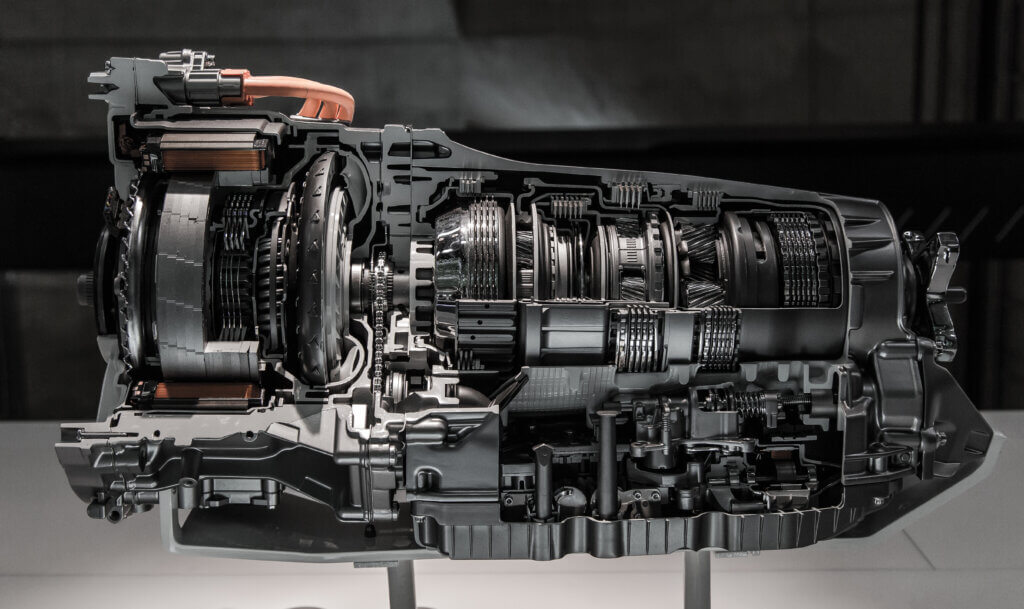
Let’s break it down. A remanufactured OEM part is a used component—like a transmission, differential, or transfer case—that’s been completely taken apart, cleaned, inspected, and rebuilt to meet the same standards as when it was brand new from the original equipment manufacturer. That’s what makes it OEM: the specs, fit, and performance are exactly what the vehicle was originally designed to handle.
This isn’t just a repair or a patch-up. Remanufacturing is a full-blown overhaul, using a mix of original and brand-new components to ensure the part functions like new—or in some cases, even better. This matters a lot when you’re managing heavy-duty vehicles like transit buses, construction equipment, Class 6–8 trucks, or fleet delivery vans that log hundreds of miles a day under intense conditions.
Why It Works for Heavy-Duty Equipment
Heavy-duty vehicles don’t have the luxury of downtime. Whether it’s a concrete mixer on a construction site or a city transit bus running a tight schedule, you need replacement parts that are dependable—and available. Remanufactured OEM parts deliver that dependability while saving both time and money. You get the precision and compatibility of a brand-new part, without the wait times and high price tags that often come with ordering brand-new from the factory.
And here’s the kicker: many remanufactured parts are tested more rigorously than some new parts. At Precision Transmission, every remanufactured transmission and component goes through a series of quality control checks and load testing before it ever reaches your shop or service bay.
So, when to use remanufactured OEM parts? When you need factory-quality performance, fast turnaround, and a cost-effective alternative to new—especially for commercial and heavy-duty applications where reliability isn’t optional, it’s mission-critical.
Why Heavy-Duty Vehicles Rely on Remanufactured OEM Transmissions
When you’re running a fleet of heavy-duty trucks, buses, or industrial equipment, the transmission is the heart of your operation. It doesn’t matter how powerful your engine is—if your transmission fails, the whole vehicle is down. And downtime? That costs money fast.
That’s exactly when to use remanufactured OEM parts—especially transmissions. Here’s why:
1. They’re Built for the Real-World Abuse Heavy-Duty Vehicles Take
Heavy-duty vehicles don’t get days off. They haul loads, push through tough environments, and rack up mileage fast. A remanufactured OEM transmission is built to the same tough specs the vehicle was designed for—often with updated parts that outperform the original. That means fewer breakdowns, less shop time, and more uptime.
2. Guaranteed Fit and Performance
With remanufactured OEM parts, there’s no guessing. These transmissions are rebuilt to exact factory specs using OEM components—or approved replacements—and tested under load. That means no strange shifting, no compatibility issues, no fine-tuning. Just bolt it in and go.
Precision Transmission specializes in Allison, Meritor, and other major heavy-duty brands. We know the specs. We follow strict rebuild processes. We test every unit before it goes out the door. Our customers aren’t test-driving parts—they’re relying on them.
3. It’s a Smart Financial Move
Brand-new transmissions are expensive—and on backorder more often than not. Rebuilt transmissions might be cheaper, but they often use a patchwork of parts and lack quality control. That leaves remanufactured OEM as the “sweet spot”: solid performance at a reasonable cost.
When you’re managing a budget across a fleet, reman makes sense. You get OEM quality without the OEM price tag, and you avoid the risk of untested aftermarket parts.
4. Fast Turnaround, Less Downtime
When a refuse truck, motorcoach, or snow plow is out of service, the pressure is on. Ordering new parts from the factory can take weeks. Rebuilt parts might need extra adjustments. Remanufactured OEM transmissions from Precision Transmission are ready to install and ready to work. That means quicker repairs and faster returns to service.
5. Backed by Warranty and Expertise
You’re not gambling when you go with reman. Our remanufactured transmissions come with strong warranties and are built by technicians who specialize in heavy-duty drivetrain systems. We don’t do shortcuts. We do it right—the first time.
How to Know When to Use Remanufactured OEM Parts
Knowing when to make the switch to remanufactured OEM parts can save your operation time, money, and a whole lot of headaches. In the heavy-duty world, components don’t just fail—they wear down from thousands of hours of hard labor. Whether you’re running a line of box trucks, dump trucks, buses, or construction rigs, here are five warning signs that it might be time to consider a remanufactured OEM part.
1. Repeated Downtime from the Same Component
If the same part keeps sending your truck or equipment into the shop, it’s time to stop applying band-aids. Replacing worn-out drivetrain components—like transmissions or differentials—with remanufactured OEM parts gives you a factory-spec reset. It’s not just repaired, it’s fully restored, and that keeps your vehicles on the road instead of in the bay.
For example, if your vocational truck’s transmission keeps slipping or overheating despite multiple fixes, that’s a red flag. A remanufactured OEM transmission will address the root issue, not just the symptom.
2. You’re Managing Tight Budgets with No Room for Failure
Heavy-duty fleets run on thin margins. If you’re trying to control repair costs but can’t afford to gamble with quality, this is when to use remanufactured OEM parts. They offer a middle ground—more affordable than new, more reliable than a rebuild.
Let’s say you manage a fleet of snow plows. You can’t afford a breakdown during a winter storm, and new parts are either too costly or weeks out. A remanufactured OEM component gets you back on the road quickly, with confidence.
3. The Vehicle Has High Mileage or Hours—but Isn’t Ready for Retirement
Just because your dump truck or shuttle bus has logged a lot of miles doesn’t mean it’s done. If the rest of the vehicle is solid—frame, suspension, engine—a remanufactured OEM part can add years of useful service without the cost of buying new.
It’s like giving your equipment a second life without taking on the price tag or lead time of brand-new gear. That’s especially helpful for municipal fleets or construction companies trying to stretch every dollar.
4. You’ve Been Burned by Aftermarket or Rebuilt Parts
This one’s common. Many operators try a cheaper fix, only to find themselves replacing the same part six months later. Aftermarket parts often don’t match OEM specs, and rebuilt components can vary wildly in quality depending on who did the work.
If your box truck or refuse vehicle has had back-to-back repairs with no lasting results, it’s time to stop guessing. Remanufactured OEM parts are built and tested to perform like new—because they’re made to the same standards the original manufacturer used.
5. You Need a Fast Fix Without Sacrificing Quality
Heavy-duty vehicles don’t have the luxury of extended downtime. If your fleet vehicle is parked waiting for a new transmission or transfer case, you’re losing money by the hour.
Remanufactured OEM parts from Precision Transmission are available faster than most new parts and ready to install out of the crate. That means less downtime, less waiting, and more uptime—all without cutting corners on performance or fit.
Each of these warning signs points to a critical decision point—and that’s when to use remanufactured OEM parts. They offer reliability, cost-efficiency, and fast turnaround—all of which are essential in the world of heavy-duty equipment.
Reman vs Rebuilt vs Aftermarket: Which Is Right for Your Vehicle?
When a drivetrain component fails—especially on a heavy-duty vehicle—you’re faced with options. Do you go with a remanufactured OEM, a rebuilt, or an aftermarket part? Each comes with trade-offs, but when uptime, performance, and long-term value matter, the choice becomes clearer.
Here’s a side-by-side look at the pros and cons of each option:
Feature | Remanufactured OEM | Rebuilt | Aftermarket |
Definition | Used OEM part fully disassembled, rebuilt to original factory specs, tested for performance | Used part repaired or replaced only where needed | Brand-new part made by a third party, not OEM |
Quality & Reliability | Consistent, factory-level performance | Varies—depends on who rebuilt it and how | Varies widely; quality not always equal to OEM |
Cost | Moderate (less than new, more than rebuilt) | Lower upfront cost | Often lowest cost—but may cost more over time |
Fit & Compatibility | Exact fit—OEM specs and performance | May work, but tolerances can be inconsistent | Sometimes requires modifications or adjustments |
Warranty | Typically includes warranty from certified shop | Limited or no warranty | Depends on brand—may be limited or none at all |
Best For | Fleets that need dependable, OEM-quality results fast | Older vehicles with limited use | Short-term fixes or budget-limited repairs |
Availability | Readily available through trusted suppliers like Precision Transmission | May require donor parts or cores | Widely available, but not always for heavy-duty use |
Why Remanufactured OEM Parts Are the “Just-Right” Choice
Think of these three options like choosing between types of footwear for a tough job site:
- Aftermarket parts are like off-brand work boots—cheap, but you don’t know how long they’ll last.
- Rebuilt parts are like re-soled old boots—might do the job, but reliability varies.
- Remanufactured OEM parts? They’re like factory-grade steel-toe boots, rebuilt from the ground up with new soles, fresh padding, and full testing. They’re ready for another long haul.
So, when to use remanufactured OEM parts? When you’re managing a fleet of heavy-duty equipment and you can’t afford poor fit, early failure, or excessive downtime.
If you’re dealing with transit buses, vocational trucks, fire/rescue vehicles, or Class 6–8 equipment, this “just-right” solution offers long-term value with fewer surprises.
Why Precision Transmission Is Your Trusted Source for Remanufactured OEM Drivetrain Solutions
If you’re searching for when to use remanufactured OEM parts, the answer becomes clearer when you have the right team backing you up. At Precision Transmission, we don’t just replace parts—we restore your uptime, reliability, and confidence in every mile your heavy-duty vehicle runs.
Here’s why commercial fleets, transit systems, municipalities, and heavy equipment operators across the Midwest trust us:
100% Heavy-Duty Focus
We don’t work on cars. Our technicians specialize in transmissions, transfer cases, differentials, and drivetrain systems for heavy-duty vehicles only. From motorcoaches to refuse trucks, if it’s big, built to work, and out on the road every day—we’re your go-to.
OEM-Level Remanufacturing
We rebuild and remanufacture parts to OEM standards—or better. Every unit is fully disassembled, cleaned, machined, fitted with new components, and tested under load before it leaves our shop. No shortcuts. No guesswork. Just rock-solid reliability.
Fast Turnaround, Less Downtime
We understand how every hour of downtime affects your bottom line. That’s why we keep popular Allison transmissions and drivetrain components in stock, ready to install or ship. You get OEM performance without waiting weeks for new parts.
Backed by Warranty and Real Support
Every remanufactured OEM transmission and component from Precision Transmission comes with a warranty you can count on. And our support doesn’t stop at the install—we’re here to troubleshoot, guide, and stand behind every job we do.
Trusted by Fleets Across Industries
Our customers include public transit authorities, school bus fleets, construction companies, utility departments, and more. When uptime is non-negotiable, they call Precision Transmission.
Make the Smart Call for Your Fleet
Now that you know when to use remanufactured OEM parts, the next move is simple: work with a team that understands your equipment, your urgency, and your expectations.
Whether you’re managing a fleet of vocational trucks or keeping a city’s bus system rolling, Precision Transmission has the parts, expertise, and service to get you back on the road—and keep you there.