
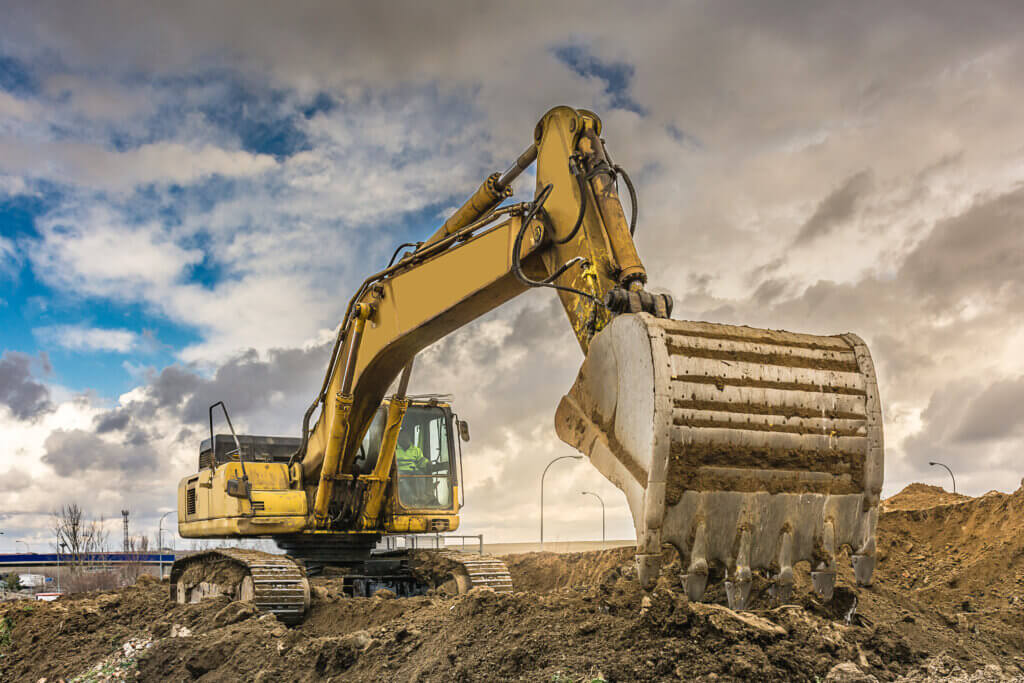
Excavators are the workhorses of construction sites, handling everything from digging trenches to lifting heavy materials. But behind that raw power and precise movement lies a crucial component that often gets overlooked — the excavator transmission.
When your excavator transmission is running smoothly, you barely notice it — the machine responds perfectly, delivering the torque and speed needed for the job. But when issues arise, everything from project timelines to safety can be at risk. That’s why understanding how your excavator transmission works, the types available, and how to maintain it properly is essential for anyone relying on heavy machinery.
Understanding Excavator Transmissions
At its core, an excavator transmission is the vital link between the engine and the machine’s movement. It takes the raw power generated by the engine and converts it into usable force, allowing the excavator to dig, lift, and traverse rugged job sites with precision and strength. Without a properly functioning transmission, even the most powerful engine can’t move an excavator an inch.
But what makes excavator transmissions unique compared to those in standard vehicles? It all comes down to the demands placed on heavy machinery. While cars prioritize speed and smooth shifting, excavators need torque — lots of it — to power through tough soil, rock, and debris. They also require precise control, allowing operators to make minute adjustments when digging trenches or handling delicate loads.
In most excavators, the transmission works hand-in-hand with the hydraulic system. The engine powers hydraulic pumps that drive the boom, arm, and bucket, while the transmission handles the movement of the tracks or wheels. This coordinated effort allows the machine to multitask efficiently — digging while moving, lifting while rotating, and more.
Understanding how excavator transmissions work isn’t just for mechanics. Operators and fleet managers can benefit from knowing the basics, too. It helps in recognizing early signs of trouble, improving maintenance routines, and ultimately getting the most out of the machine.
Common Types of Excavator Transmissions
Not all excavators are built the same, and the type of transmission inside plays a big role in how the machine performs on the job. Each transmission type is designed to handle specific tasks, terrains, and operator preferences. Understanding the most common types of excavator transmissions can help you better care for your machine and optimize its performance.
Let’s break down the three main types: Hydrostatic Transmissions, Powershift Transmissions, and Direct Drive Systems.
Hydrostatic Transmissions
Hydrostatic transmissions are the most common in modern excavators, especially in mid-size and large models. Instead of using gears, they rely on hydraulic fluid to transfer power from the engine to the tracks or wheels.
How It Works:
A hydrostatic transmission uses a hydraulic pump connected to the engine that drives hydraulic motors linked to the machine’s movement system. The operator controls the flow and pressure of the fluid, which dictates speed and direction.
Pros:
- Smooth control: Offers precise movement, perfect for tasks that require fine-tuned adjustments.
- Variable speeds: Allows the operator to control speed seamlessly without shifting gears.
- High torque: Delivers strong torque at low speeds, essential for heavy digging and lifting.
Cons:
- Heat generation: Hydraulic systems can overheat if not properly maintained.
- Maintenance-intensive: Requires regular fluid changes and checks for leaks.
Maintenance Tips:
- Regularly check and replace hydraulic fluid to prevent contamination.
- Inspect hoses and seals for leaks or cracks.
- Monitor system temperature to avoid overheating.
Powershift Transmissions
Powershift transmissions are gear-based systems that allow operators to shift between gears without disengaging power. They’re more common in larger, high-torque excavators and other heavy equipment.
How It Works:
Powershift transmissions use a system of clutches and planetary gears. The operator can shift gears under load, thanks to hydraulic controls that manage the transitions smoothly.
Pros:
- High efficiency: Provides better power transfer compared to hydrostatic systems.
- Durability: Built tough to handle heavy loads and demanding work environments.
- Consistent power: Maintains torque even when shifting gears.
Cons:
- Less precise control: Not as smooth as hydrostatic systems for delicate tasks.
- Complex repairs: Issues with the clutch or gears can require extensive repairs.
Maintenance Tips:
- Keep transmission fluid clean and at the proper level.
- Regularly inspect and adjust clutches to prevent slipping.
- Listen for gear grinding or hard shifts — early signs of wear.
Direct Drive Systems
Direct drive systems are simpler and less common in excavators but are still used in specific applications. They offer a mechanical link between the engine and the tracks or wheels without relying on hydraulic power.
How It Works:
The engine connects directly to the drive system through a series of gears and shafts, transferring power without fluid mediation.
Pros:
- Efficiency: Less energy loss since there’s no hydraulic fluid involved.
- Low maintenance: Fewer components mean fewer things that can go wrong.
Cons:
- Limited flexibility: Doesn’t offer the variable speed control of hydrostatic systems.
- Rougher operation: Lacks the smoothness required for precision work.
Maintenance Tips:
- Regularly check and lubricate gears and shafts.
- Inspect for wear and tear on mechanical components.
- Monitor for unusual noises indicating potential issues.
Signs of Excavator Transmission Issues
Even the toughest excavator transmissions aren’t immune to wear and tear. Over time, heavy use, rough job site conditions, and lack of maintenance can take their toll. But here’s the good news — most transmission problems don’t appear out of nowhere. Your excavator will give you warning signs before a major failure occurs. Catching these early can mean the difference between a minor fix and a costly breakdown.
Let’s dive into the most common signs that your excavator transmission might be in trouble.
Slipping Gears
One of the first red flags is gear slippage. You might notice the excavator struggling to stay in gear or unexpectedly shifting when it shouldn’t. This often feels like a momentary loss of power or hesitation when trying to move or dig.
What Causes It?
- Low or contaminated transmission fluid
- Worn-out clutch plates (in powershift systems)
- Damaged or worn gears
Why It Matters:
Slipping gears not only reduce the machine’s efficiency but also put extra strain on the engine and other components. Ignoring this issue can lead to more severe transmission damage.
Delayed Movement or Lack of Response
When you push the control lever and the excavator hesitates or lags before moving, that’s a clear sign something’s off. In hydrostatic systems, this could feel like the machine is “bogging down” or struggling to respond.
What Causes It?
- Low hydraulic or transmission fluid
- Failing hydraulic pumps or motors
Why It Matters:
A sluggish response can seriously affect productivity and even pose safety risks on busy job sites. It also suggests that the transmission system isn’t efficiently transferring power.
Unusual Noises or Vibrations
An excavator transmission in good health should run relatively quietly. So, if you start hearing grinding, whining, or clunking noises, take it as a warning sign. Excessive vibrations while operating the machine are another red flag.
What Causes It?
- Worn or damaged gears
- Low or dirty transmission fluid
- Misaligned drive components
Why It Matters:
Strange noises and vibrations often indicate mechanical wear. Continuing to operate the machine under these conditions can cause more extensive and expensive damage.
Overheating Problems
Excavator transmissions, especially hydrostatic ones, generate a lot of heat during operation. But if the system starts running hotter than normal, that’s a sign of trouble. Many machines have temperature gauges or warning lights to alert operators to overheating issues.
What Causes It?
- Low or degraded fluid reducing cooling efficiency
- Clogged filters preventing proper fluid flow
- Failing cooling systems or fans
Why It Matters:
Overheating can cause fluid breakdown, component warping, and complete transmission failure if left unchecked. It’s one of the leading causes of major excavator transmission repairs.
Leaks and Fluid Contamination
Spotting fluid under your excavator? That’s a problem. Transmission and hydraulic systems rely heavily on clean, high-quality fluid to function. Leaks can lower fluid levels and lead to contamination, causing internal damage.
What Causes It?
- Worn seals or gaskets
- Cracked hoses or fittings
- Loose connections
Why It Matters:
Even small leaks can have big consequences over time. Low fluid levels reduce lubrication, leading to increased friction, heat, and wear inside the transmission.
Warning Lights and Error Codes
Many modern excavators come equipped with onboard diagnostic systems. If a warning light pops up on your dashboard, don’t ignore it. Error codes related to the excavator transmission can alert you to specific issues before they become major problems.
What Causes It?
- Sensor malfunctions
- Transmission fluid temperature spikes
- Pressure irregularities
Why It Matters:
These systems are designed to catch issues early. Taking prompt action can prevent a minor issue from escalating into a costly repair.
Don’t Ignore the Signs
Your excavator works hard, and its transmission takes on a lot of stress every day. Paying attention to these warning signs can save you time, money, and headaches. When caught early, many transmission issues can be fixed with basic maintenance or minor repairs. Ignore them, and you risk major breakdowns and costly downtime.
When to Seek Professional Excavator Transmission Repair
Even with the most diligent maintenance, there comes a time when your excavator transmission will need more than routine care. Recognizing when it’s time to call in a professional can save you from extended downtime, costly repairs, and potential safety hazards. But how do you know when it’s beyond a DIY fix? Let’s dive into the telltale signs and the benefits of turning to expert help.
Knowing When DIY Maintenance Isn’t Enough
While regular inspections and maintenance can handle minor issues, some problems require a trained eye and specialized equipment. Continuing to run an excavator with a failing transmission can lead to catastrophic failure, often turning a small repair into a full-blown replacement.
Signs You Need Professional Help:
- Persistent Gear Slipping: If fluid changes and clutch adjustments don’t fix gear slippage, internal components like worn-out clutch packs or damaged planetary gears may be to blame.
- Severe Overheating: When your transmission constantly overheats despite clean fluids and functioning coolers, it could point to deeper issues like internal blockages or pump failures.
- Unusual Noises Continue: Grinding, whining, or knocking sounds that persist after routine checks could indicate serious internal damage.
- Delayed or No Movement: If your excavator struggles to move or doesn’t respond at all, it could be due to failed hydraulic pumps, transmission control issues, or major internal failures.
- Recurring Fluid Leaks: Minor leaks can often be fixed with new seals or gaskets, but if leaks persist, it may signal deeper cracks in the housing or component failures.
- Frequent Warning Codes: Modern excavators with diagnostic systems will throw error codes when the transmission isn’t functioning properly. Frequent or unresolved codes are a clear sign you need professional diagnostics.
Choosing the Right Transmission Repair Service
Not all repair services are created equal. Choosing the right shop can make all the difference in the longevity and performance of your excavator.
What to Look For:
- Specialization in Heavy Equipment: Choose a repair shop that has specific experience with excavators and heavy machinery.
- Certified Technicians: Look for shops with technicians certified in transmission repair and hydraulic systems.
- Reputation and Reviews: Check for positive customer reviews and testimonials. Word-of-mouth recommendations from other contractors can be invaluable.
- Warranty and Service Guarantees: Opt for repair services that back their work with warranties on parts and labor.
- Fast Turnaround Times: Downtime on the job site costs money. Choose a shop known for efficient, high-quality repairs.
Preventing Future Transmission Failures Post-Repair
After investing time and money into a professional transmission repair, the last thing you want is a repeat issue. There are proactive steps you can take to extend the life of your newly repaired excavator transmission.
Post-Repair Best Practices:
- Follow Break-In Procedures: If your transmission was rebuilt, follow the manufacturer’s guidelines for break-in to ensure proper seating of new components.
- Stick to a Maintenance Schedule: Stay on top of fluid changes, filter replacements, and inspections to prevent future issues.
- Monitor Performance Closely: Pay extra attention to how the excavator operates post-repair. Report any unusual sounds, smells, or warning lights immediately.
- Operator Training: Ensure all operators are trained on best practices, especially following major repairs, to avoid putting undue strain on the transmission.
Keeping Your Mobile Excavator Transmission Running Strong
At Precision Transmission, we know how vital it is to keep your mobile excavator running smoothly — because downtime on the job site isn’t an option. We specialize in servicing and repairing mobile excavator transmissions, providing expert diagnostics, maintenance, and full rebuilds to get your machine back in action quickly and efficiently.
We’ve covered the key transmission types, common warning signs of trouble, and essential maintenance tips to help extend the life of your equipment. But when routine care isn’t enough, our expert technicians are here to help. With years of hands-on experience working specifically with mobile excavator transmissions, we provide reliable repairs using OEM parts, backed by warranties to ensure long-lasting performance.
So, whether your mobile excavator is slipping gears, overheating, or just not performing the way it should, trust Precision Transmission to get it back to peak condition — keeping your projects on schedule and your equipment moving.
Need expert mobile excavator transmission service? Contact us today and let’s get your machine running like new.